
Finding a smart body weight scale that delivers clinical grade accuracy without slow support or high ongoing costs remains frustrating for many buyers in 2026. Many top brands tie advanced features to devices with limited support access, expensive maintenance contracts, or complex onboarding that small teams cannot manage. This comparison breaks down pricing, validation claims, and support quality so you can pick a scale that matches your workflow without the risks of trial and error.
Table of contents
Uvirello
At a glance
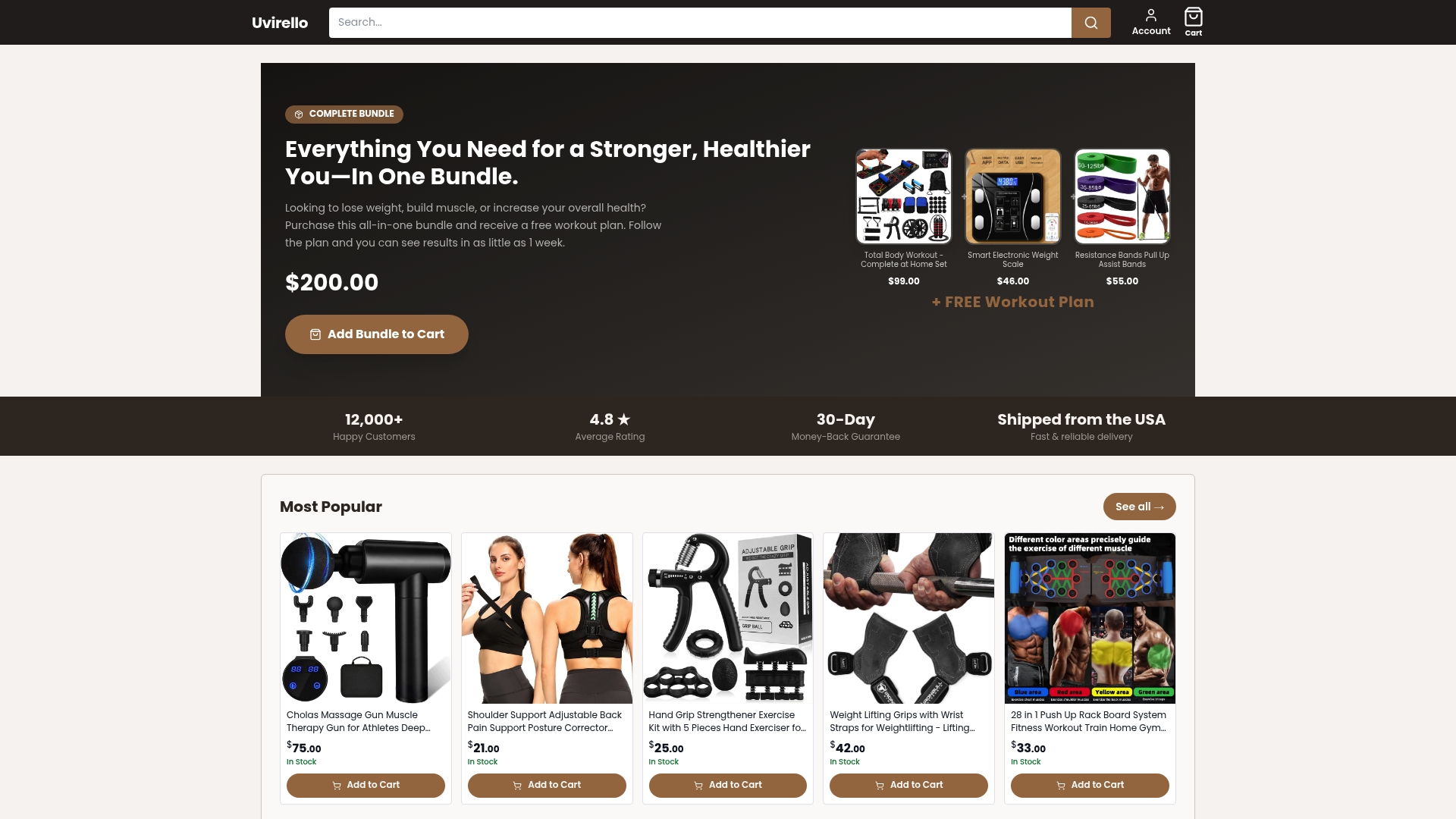
Uvirello offers a 30 day money-back guarantee plus free shipping on all orders. The brand ships from US warehouses to speed delivery for customers who need gear fast. It curates performance focused fitness and recovery products sourced from trusted suppliers.
Core features
-
Curated selection of high quality fitness and recovery products. The catalog centers on resistance bands, massage guns, posture supports, and workout equipment vetted for durability and effectiveness.
-
Fast US shipping from domestic warehouses. Orders move quickly within the United States and arrive with standard tracking.
-
30 day money-back guarantee and free returns. Customers can return items within the trial window for a refund.
-
Focus on performance, durability, and effectiveness. Customer support and transparent policies back product claims.
Key differentiator
Uvirello limits its catalog to products that pass strict quality checks and effectiveness tests. That selective approach reduces low value items and makes buying decisions easier. For active users, this means you spend less time comparing models and more time using gear that meets performance expectations. The curation model also supports consistent customer satisfaction.
Pros
-
Quality control that weeds out weak products. The store accepts only items that meet its effectiveness and durability standards.
-
Broad selection within the fitness and recovery niche. You can outfit prehab, recovery, and strength sessions from a single source.
-
Fast, dependable US shipping with free delivery on every order. This cuts replacement wait times for regularly used items.
-
Customer friendly policies including free returns and the 30 day refund window. These policies lower the purchase risk for higher priced items.
Cons
- Limited international shipping and regional availability restricts buyers outside the US.
Who it's for
Uvirello suits fitness enthusiasts, athletes, and health conscious people who prioritize reliable, performance oriented gear. It fits buyers who want durable equipment for regular training and recovery. Casual shoppers who want budget impulse buys may find the selection narrower.
Unique value proposition
Free shipping on all orders from US warehouses removes a common friction for users who need gear quickly. Combined with a 30 day refund window, that policy lowers the cost of trying higher quality recovery tools. For athletes, this reduces downtime when replacing a worn item or testing new recovery methods.
Real world use case
A runner gaps a week of training due to tight calves. They order a recovery kit with a massage gun, resistance bands, and a posture support. The items arrive quickly from the US warehouse. The customer uses the kit over three weeks and returns one unused item under the 30 day policy.
Pricing
Most items cost $16 to $97. Many products fall in the $20–$50 range. Free shipping applies to all orders. The site runs occasional discounts such as 23% off select items.
Website: https://uvirello.com
Withings
At a glance
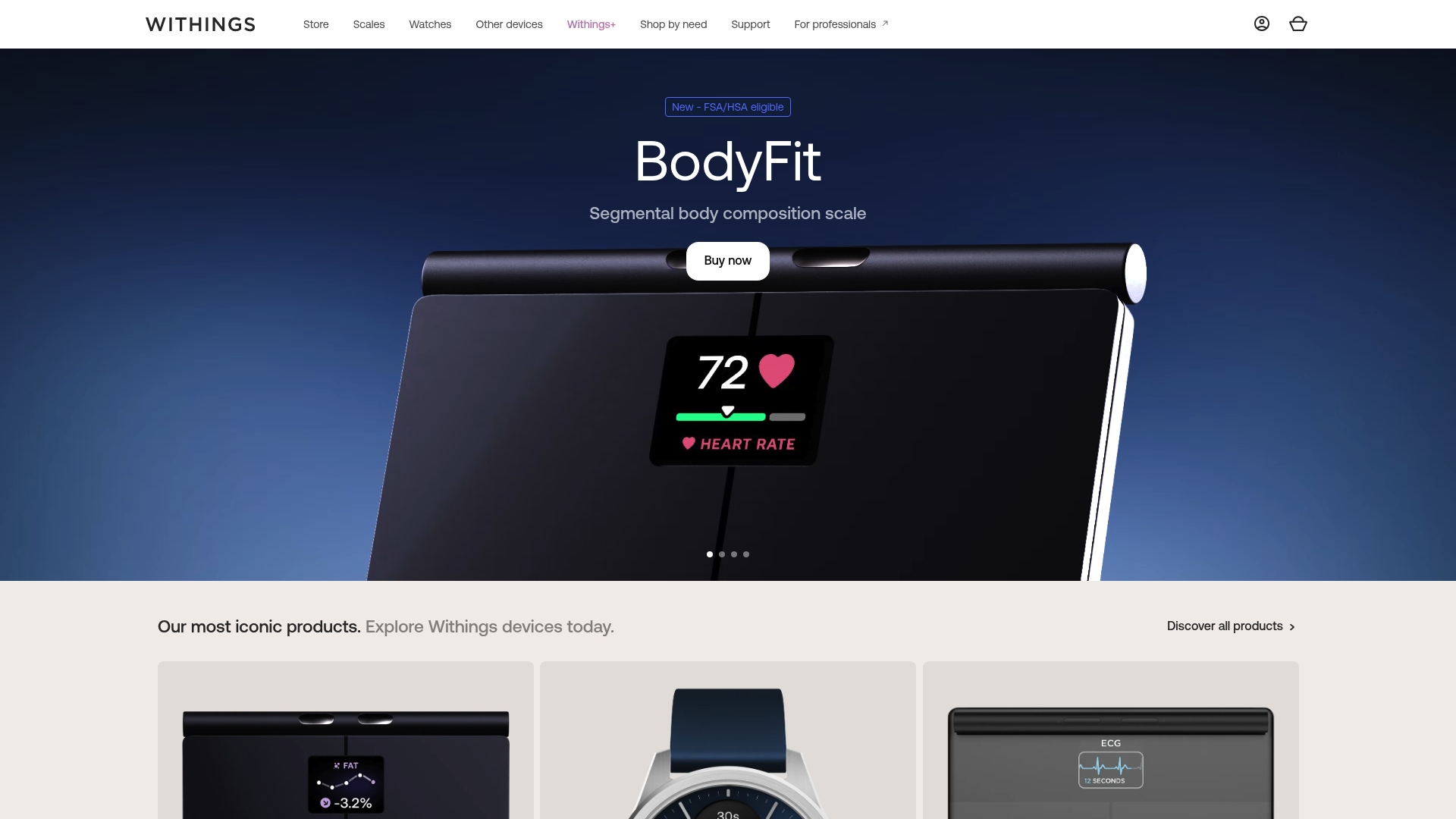
Some Withings health checkup stations list prices above $1,500. That price point highlights the brand's move into higher end clinical style hardware for home use. The company also covers everyday devices from scales to watches that sync with popular health platforms.
Core features
Withings maintains an ecosystem that includes body scales, smartwatches, blood pressure monitors, and sleep trackers. Devices sync with Apple Health and Google Fit to centralize metrics. Many products qualify for FSA and HSA purchases, which helps stretch health budgets. The company pairs device readings with app delivered insights for regular tracking and trend review.
Key differentiator
Withings' marketing materials describe its devices as medical grade. That claim positions the brand between consumer wearables and clinical monitors. The emphasis lies in combining a design focus with features meant to support personal wellness and some professional remote monitoring workflows.
Pros
- Attractive, modern device design that fits on a bathroom shelf or wrist without looking clinical. This appeals to users who want style and function.
- Solid ecosystem breadth. You can pick a scale, a watch, and a blood pressure monitor and keep data in one account.
- Integrates with Apple Health and Google Fit so you do not lose data when you change apps. Many people value that portability.
- FSA & HSA eligibility for several products makes purchases easier for users with flexible health accounts.
- App based health insights help you spot trends in weight, activity, and sleep over weeks and months.
Cons
- The product data lists mixed user reviews on reliability and durability. Some buyers report failing hardware after limited use.
- Customer support is reported as difficult to reach or unhelpful in several cases. That slows repairs and replacements.
- App performance and software bugs appear in reviews and can disrupt daily syncing and measurement history.
- Some devices show short hardware lifespan or charging issues according to user reports. Replacement costs can add up.
When it may not fit
Withings targets individual consumers more than large institutions. That makes it less suitable for high volume professional deployments. If your use requires long term fleet support or bulk procurement, a commercial grade vendor may be a better match. Budget buyers should also avoid the high end stations because of the steep price.
Who it's for
This line fits health conscious buyers who want elegant hardware and cross platform data flow. It suits people managing weight, sleep, or chronic conditions who value app syncs with Apple Health. Tech savvy users who care about device aesthetics will appreciate the look and ecosystem.
Real world use case
A person buys a Withings body composition scale and a smartwatch to monitor weight and daily activity. They sync both to their preferred health app and check weekly trends in the Withings app. If they have hypertension they add a Withings blood pressure monitor and share readings with their clinician through exported reports.
Pricing
Most devices range roughly from $50 to $500 plus. Scales and basic monitors commonly sit near $100 to $200. The vendor lists health checkup stations above $1,500 for higher end setups. FSA and HSA eligibility applies to many products.
Website: https://withings.com
InBody
At a glance
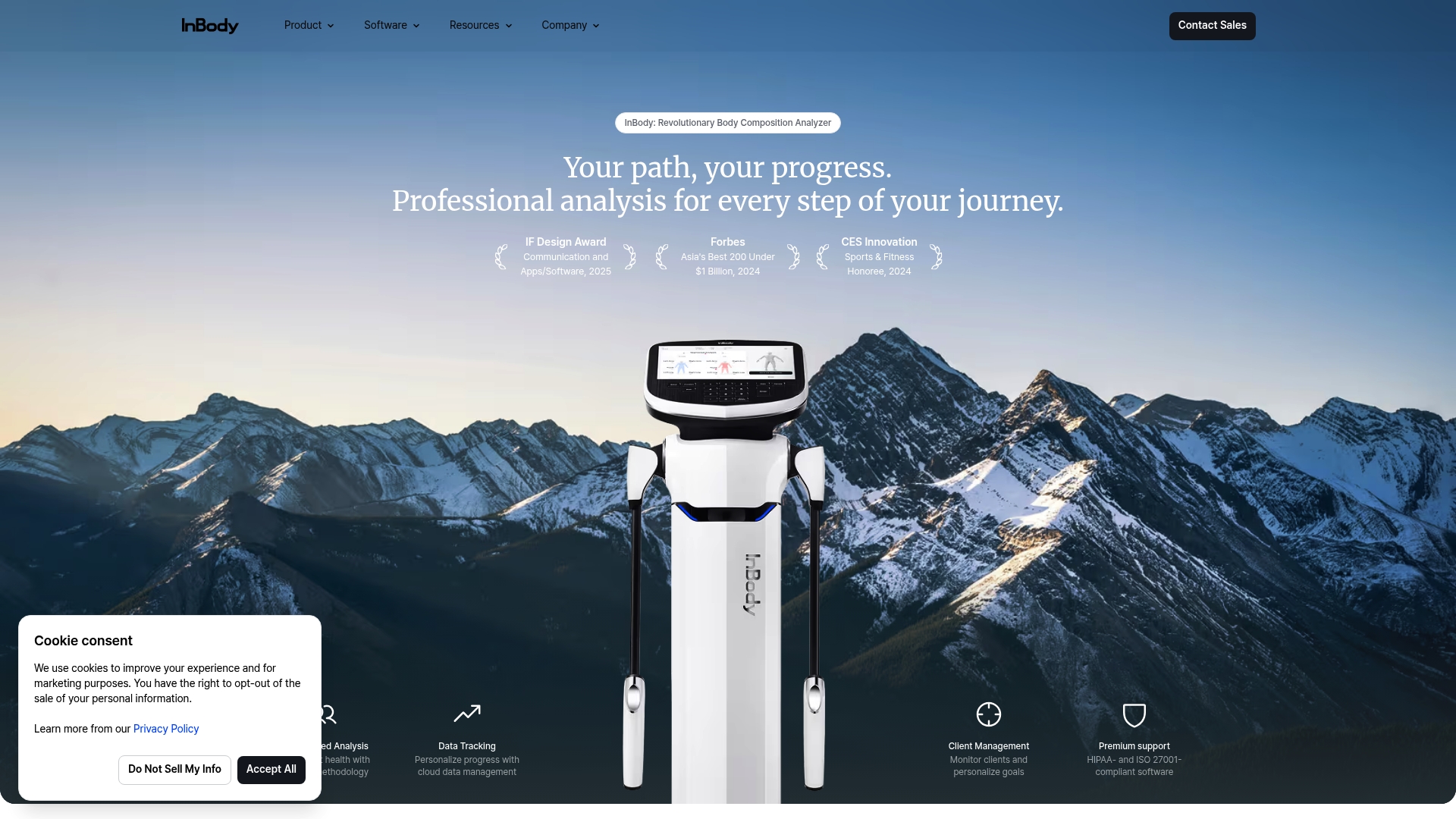
The vendor advertises highly accurate and reproducible measurements backed by scientific validation. InBody also highlights awards from IF Design and CES for product design. The product line covers clinical analyzers, consumer scales, blood pressure monitors, and cloud mobile tools for data tracking.
Core features
- Professional-grade body composition analysis using advanced bioelectrical impedance analysis technology.
- Cloud-enabled data management through LookinBody Web and companion mobile apps for storing and reviewing client results.
- A product lineup that spans clinical, fitness, and consumer models to match different measurement needs.
- Integration options for electronic health records and practice management systems to move data into clinical workflows.
- Vendor support offerings that include training, dedicated account management, and regulatory guidance.
Key differentiator
That accuracy claim and the ecosystem set InBody apart from many retail scales. The combination of lab-style analyzers and cloud software supports repeated assessments and client tracking at scale. Buyers get a device plus a management platform rather than a lone scale, which suits clinics and sports programs that need long term records.
Pros
-
Highly repeatable measurements across sessions. This helps clinicians and trainers compare results over time.
-
Strong device variety for different use cases. Clinics can buy clinical analyzers while gyms opt for simpler consumer models.
-
Cloud and mobile tools make client reporting and progress tracking practical. Coaches can pull reports and share them with athletes.
-
Recognized design pedigree. Awards give some independent signal about product engineering and user experience.
-
Integration readiness for EHRs and practice systems. That reduces manual data entry for medical practices.
Cons
-
Customer support often reports slow response and limited troubleshooting help. Clinics relying on quick fixes may find this problematic.
-
Maintenance and support costs can add substantially to the total cost of ownership. Smaller practices may see reduced value because of ongoing fees.
-
Users report occasional system bugs and update issues that interrupt workflows. These incidents can delay routine assessments.
-
Limited direct engagement from the vendor during critical outages makes resolution slower for some customers.
When it may not fit
If you need plug-and-play hardware with minimal training, this system may not fit. Organizations expecting low support costs or fast vendor response will likely be disappointed. If your team lacks technical staff to manage software and updates, choose a simpler consumer scale instead.
Who it's for
InBody fits healthcare providers, sports scientists, and wellness programs that need validated body composition metrics and integrated record keeping. Use this when you require repeated, clinically oriented measurements and are prepared to budget for support and training.
Real world use case
A sports medicine clinic purchases InBody analyzers to monitor athlete body composition across a season. Staff upload results to the cloud platform and link measurements to medical records. When a software update caused downtime, the clinic experienced delays because vendor support was slow.
Pricing
Pricing varies by model with advanced clinical analyzers listed at several thousand dollars and consumer models offered at lower price points. Support and maintenance contracts add to the total cost of ownership. InBody provides detailed quotes upon request.
Website: https://inbodyusa.com
Seca
At a glance
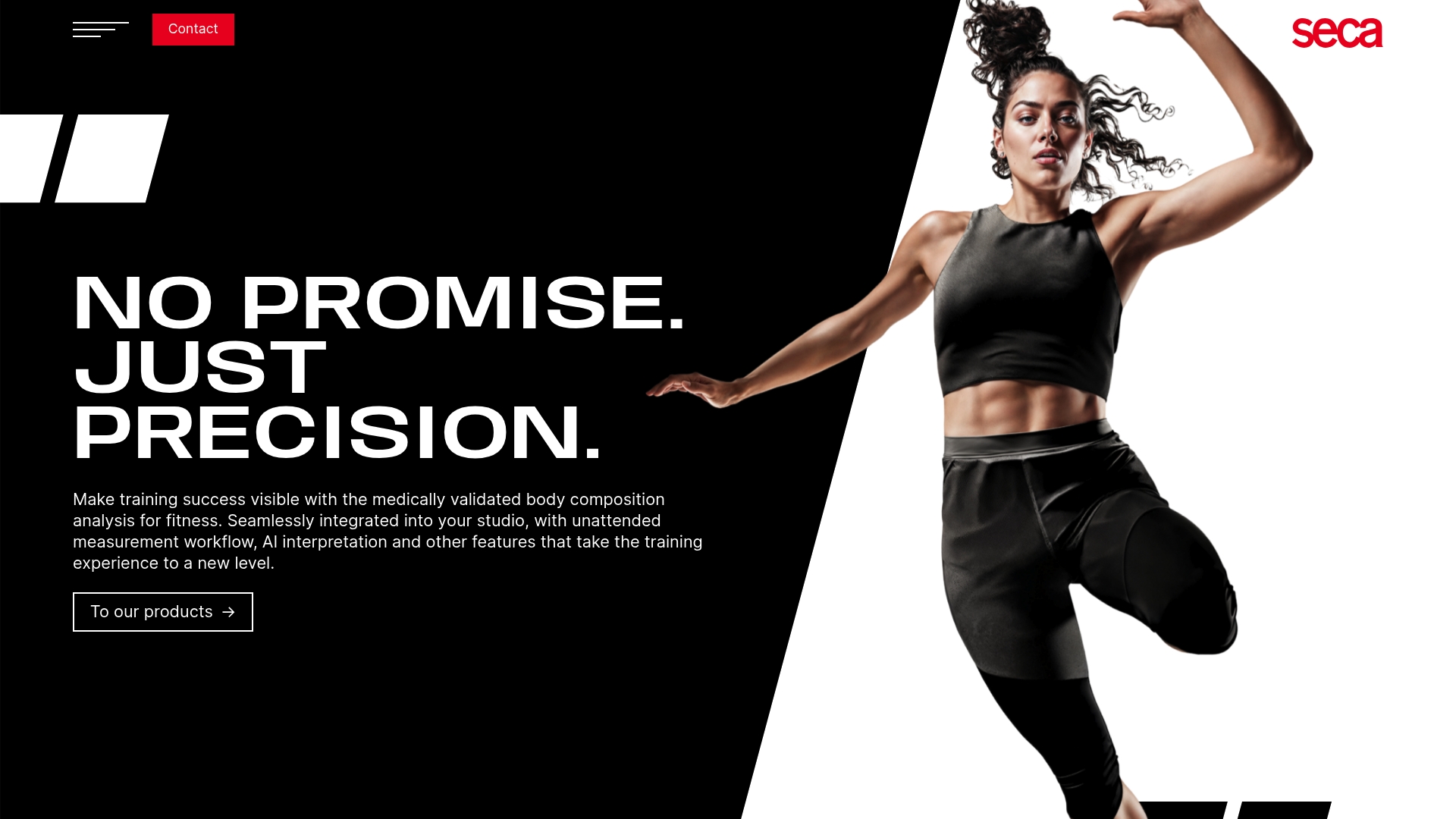
Founded in 1840, seca brings more than 180 years of product history to professional measurement equipment. According to the company, its devices are medically validated for body composition analysis. The brand packages hardware, software, and mobile apps into tools aimed at clinics, sports teams, and fitness studios.
Core features
- Medically validated body composition analysis that reports fat mass, muscle mass, and related metrics for professional assessments.
- Unattended measurement workflows with AI driven interpretation to reduce operator time and standardize results in busy studios.
- Seamless studio integration with common gym and clinic management systems for scheduled testing and data export.
- Cloud based evaluation software and mobile apps for tracking clients and sharing reports with trainers or therapists.
- Durable hardware designed for frequent use in fitness and clinical environments.
Key differentiator
seca positions itself as a legacy leader in medical measurement equipment with a full product ecosystem for professionals. The company combines validated measurement methods with studio oriented software and durable hardware. That focus makes seca less about home use and more about replacing clinical grade lab tools inside a training or medical setting.
Pros
-
Long standing expertise since 1840 gives the line deep product experience and institutional knowledge. This history shows in build quality and documented measurement workflows.
-
A full hardware and software ecosystem connects scales, height measurement, and cloud evaluation. That reduces manual data entry for studios and clinics.
-
Automated, unattended workflows cut staff time for routine assessments. This matters in high volume settings such as sports teams or busy gyms.
-
The product set targets validation and repeatability, supporting professional coaching and physiotherapy decisions. Coaches can rely on consistent measures across sessions.
-
Global presence means tailored solutions and service options for commercial customers in multiple regions.
Cons
-
Premium pricing reflects medical grade design and may put seca out of reach for small studios or individual trainers.
-
The systems rely on connected infrastructure and cloud services, which can be a drawback in poorly connected locations.
-
Setup and calibration are complex and often require trained technicians or vendor support to maintain accuracy.
-
Sales focus on institutions means limited direct to consumer purchase paths and fewer low cost options.
When it may not fit
If you run a small independent studio or need a simple home scale, seca is likely overkill. The product suite requires investment in hardware and often ongoing software modules. Choose a consumer grade alternative if budget or internet access is limited.
Who it's for
Professional fitness centers, sports medicine teams, and physiotherapy clinics that need validated measurement tools and integrated reporting. Trainers who manage many clients and clinics that require unattended workflows will get the most value. Buyers must accept higher upfront cost for clinical grade results.
Real world use case
A boutique fitness studio installs seca body composition analyzers and links them to studio software. Trainers schedule routine assessments and send progress reports through the mobile app. The studio reduces check in time and shows members clear metric trends, which helps retention.
Pricing
Prices vary by model and configuration, generally placing seca in the mid to high price segment for professional equipment. The vendor states detailed pricing is available upon inquiry. Full service purchases typically include shipping and installation while software modules and accessories cost extra.
Website: https://secatru.com
Bodystat
At a glance
Bodystat reports over 30 years of development in bioelectrical impedance analysis hardware. The vendor advertises handheld, portable devices that return results within seconds on a color touchscreen. The company states its instruments are validated for clinical and research use, which supports deployment in hospitals, labs, and fitness centers.
Core features
- Portable, handheld units with wireless charging and on-device color touchscreen displays for quick readings.
- Noninvasive bioelectrical impedance analysis and spectroscopy methods to measure body fat percentage, lean mass, total body water, impedance, and phase angle.
- Fast results within seconds and device workflows designed for minimal operator training.
- Software for data management and analysis that stores readings and exports for research or clinical records.
- Validation and documentation aimed at clinical, research, and fitness applications.
Key differentiator
That validation claim underpins Bodystat’s main selling point. The company focuses on medically validated BIA and BIS technology, positioning the devices for clinical decision making and research protocols. That emphasis on reproducibility and documented accuracy separates it from consumer scales built for home tracking.
Pros
- Medically validated measurements. The vendor advertises clinical validation, which makes these devices acceptable for many professional settings.
- Wide metric set including phase angle, hydration, and impedance. That detail helps clinicians assess cellular health and fluid shifts beyond simple weight or BMI.
- Portable and user friendly with handheld form factors and color touchscreens. Clinics can move devices between wards or exam rooms without complex setup.
- Software and data management options. Researchers and clinicians can export readings for longitudinal tracking and study analysis.
- Minimal operator training reported. Staff can learn electrode placement and the basic workflow quickly.
Cons
- Premium pricing. Devices typically cost several thousand to over ten thousand USD, which limits access for smaller practices.
- Standard models focus on adults. Pediatric monitoring often requires specific models or additional protocols.
- Requires careful electrode placement and regular calibration. Operator error or missed calibration can hurt measurement consistency.
- Not suitable for patients with implanted electronic devices like pacemakers, which excludes a subset of clinical populations.
When it may not fit
If you run a small independent gym on a tight budget, the initial device cost and ongoing electrode and software fees may not fit. If your primary need is simple home tracking for a single client, a consumer scale will be a better match. Bodystat is also the wrong tool when you must test patients with implanted electronic devices.
Who it's for
Clinicians, clinical researchers, dietitians, sports scientists, and high level fitness professionals who need validated body composition and hydration metrics. Teams that require reproducible measurements and exportable data for treatment planning or studies will find the platform useful. It fits environments that can absorb equipment, electrode, and training costs.
Real world use case
A clinical dietitian uses the Bodystat Multiscan 5000 to monitor patients undergoing treatment for malnutrition. The device captures body water and phase angle at regular intervals. Those readings inform dietary adjustments and track treatment response without invasive tests.
Pricing
Device prices vary by model and configuration, typically ranging from a few thousand to over ten thousand USD. Additional costs include electrodes, software licenses, shipping, and optional training. The vendor mentions discounts or bundled offers for some purchases.
Website: https://bodystat.com
InBody
At a glance
InBody reports 98.4% correlation to DEXA scans. The company says that level of agreement comes from multi frequency, segmental measurements delivered in about 60 seconds. That speed and the clinical framing make these devices a fit for hospitals and research settings where time and data detail matter.
Core features
- Segmental body composition analysis using multi frequency technology to measure limbs and trunk separately. This gives targeted muscle and fat values for each body segment.
- EMR integration and cloud based data platforms for exporting patient records and longitudinal tracking. Useful for clinics that need digital record flow.
- A product range from professional analyzers for hospitals, clinics, and gyms to compact smart home devices for regular tracking. Choose based on throughput and space.
- Expert guided demonstrations and on site training options. The company positions this as part of setup and support.
Key differentiator
InBody’s marketing materials state the brand is used by over 3,000 institutions in India. That usage claim pairs with the vendor focus on multi frequency and segmental analysis to produce highly granular composition reports. The combination targets clinical workflows that need both research grade metrics and regular patient tracking.
Pros
-
The accuracy claim above supports clinical use and research comparisons. That claim makes the devices attractive for evidence based testing.
-
A broad product portfolio lets clinics match device scale to patient volume. From high throughput analyzers to compact models, you can pick capacity without changing vendors.
-
The system reports advanced metrics such as phase angle and water analysis. Those metrics help clinicians assess cell health and hydration status.
-
Detailed segment level output helps trainers and therapists design targeted interventions. The data removes guesswork about which limb needs focus.
-
Cloud export and EMR hooks simplify follow up and remote monitoring. Clinics can build reports into existing patient files.
Cons
-
Several customers report slow or inadequate customer support when technical issues arise. That limits uptime for high volume sites.
-
Software stability and update cadence have drawn negative feedback from some users. Unstable software can disrupt data capture during busy clinics.
-
Pricing is typically customized and not publicly listed. The lack of transparent list prices can delay procurement decisions for smaller buyers.
-
Initial equipment cost can be significant for small clinics or single practitioner practices. The investment often requires a formal budget line.
When it may not fit
If you run a small independent practice with tight capital, this lineup may strain your budget. The devices target professional settings and assume some IT support for integrations. Also, clinics that rely on flawless vendor software should plan for contingency steps given the reported stability and support issues.
Who it's for
Healthcare providers, rehabilitation centers, and research teams that need medical grade body composition metrics will get the most value. Fitness centers with clinical services also benefit from the segmental data. Health conscious consumers may prefer the home models, but the primary fit is professional use.
Real world use case
A multidisciplinary clinic places a professional analyzer in its assessment suite. Clinicians run baseline composition tests, then use the segmental output to target rehab and nutrition plans. Patients receive a compact home unit for monthly checks so clinicians can monitor progress between visits.
Pricing
Pricing varies by model and intended use, with professional analyzers at the higher end and home devices at lower price points. The vendor asks buyers to contact InBody India for tailored quotes based on model choice and integration needs.
Website: https://inbody.in
Comparison of alternatives
When electing a suitable vendor for fitness and health equipment, aspects such as reliability, specialized capabilities, and service offerings critically shape the decision-making process. Customers seek options that not only provide necessary features but also enhance their confidence in their purchases.
Analytical subsection 1: shipping speed and service accessibility
Uvirello ensures fast and dependable U.S.-based delivery with minimal delays, accentuated by its free shipping policy. This trait is advantageous for buyers who require expedited supplies without additional logistical complexities. In contrast, while Withings and seca serve global audiences, their logistics can be slower and incur additional costs for U.S.-based consumers.
Analytical subsection 2: professional application and technical sophistication
For clinics and professionals needing advanced usage settings, seca stands out with its medically validated body composition analyzers complete with integration into electronic health records and centralized data systems. Additionally, Bodystat offers portable monitors recognized for clinical validation, allowing healthcare providers to ensure measurement precision in dynamic conditions.
Best fit
- Uvirello is a strong choice for fitness enthusiasts and athletes favoring high-quality, performance-tested products and simple return policies.
- seca aligns with professional clinics prioritizing accuracy in health metrics and integration into established systems.
- Withings satisfies customers valuing aesthetically designed devices and app connectivity for consistent health tracking.
- Bodystat proves itself for mobile specialists who require dependable, portable devices validated for clinical practices.
- InBody addresses the needs of establishments seeking diverse product ranges, from professional analyzers to consumer-use models.
Our pick
Uvirello thrives due to its focused catalog designed for fitness-oriented equipment backed by transparent purchase conditions and fast U.S.-based shipping. For customers with these priorities, this offering provides an assurance of quality and convenience. For users needing global shipping options or data integration for professional use, Withings or seca might better address those needs.
Explore the comparison table below to determine which platform best aligns with your requirements while considering the strengths highlighted for each option.
| Product | Core Features | Key Differentiator | Best For | Pricing | Notable Limitation |
|---|---|---|---|---|---|
| Uvirello | Curated fitness and recovery tools, 30-day refunds, free US shipping | Focused, quality-checked product selection ensuring performance | Fitness enthusiasts seeking durable and effective gear | $16–$97, free shipping | Limited to US-only shipping |
| Withings | Broad device ecosystem syncing with Apple Health and Google Fit | Stylish, medical-grade design combining user functionality | Health-conscious users preferring elegant and integrative setups | $50–$500+ | Reported durability and app functionality issues |
| InBody | High accuracy body composition analysis with cloud-enabled data management | Professional-grade analyzers with EHR integration for clinical workflows | Sports scientists and clinics requiring detailed, repeatable metrics | Custom pricing | High purchase and maintenance costs, requires advanced system management |
| seca | Medically validated composition analyzers with seamless system integration | Automated, accurate measurements paired with historical expertise | Professional healthcare and fitness environments | Mid to high range | High costs and complex installation requirements |
| Bodystat | Handheld devices providing rapid, clinically validated bioimpedance analysis | Portable solutions suitable for clinical and fitness industries | Researchers and clinicians needing validated, reproducible data | $1000s range | Requires frequent calibration and proper use for consistent measurements |
Discover a reliable alternative to tanita.com with Uvirello
Choosing the right body composition scale can feel overwhelming when considering tanita.com alternatives. Many users struggle with finding a device that delivers precise measurements like body fat percentage and BMI while offering ease of use and trustworthy design. Uvirello answers this challenge by combining high-precision sensors with a sleek, user-friendly design that fitness enthusiasts and health-conscious individuals have come to trust.
With over 12,000 satisfied customers and a 4.8-star rating, Uvirello provides detailed insights to improve your fitness routine and monitor health progress effectively. Experience the difference of an advanced Smart Electronic Weight Scale that goes beyond simple tracking.
Ready for accurate health data without the guesswork? Visit Uvirello now and discover how this smart scale can sharpen your fitness goals. Act today to unlock clear body composition metrics and take control of your health with confidence.
FAQ
What features make Uvirello a suitable choice for fitness enthusiasts?
Uvirello specializes in a curated selection of high-quality fitness and recovery products, including smart body weight scales that focus on performance and effectiveness. The brand's commitment to using only items that pass strict quality checks ensures customers receive reliable gear. Fitness enthusiasts can confidently purchase knowing they are getting well-vetted equipment for their training and recovery needs.
How does Uvirello compare to withings in terms of design and aesthetics?
Withings offers attractive, modern device designs that appeal to users seeking stylish functionality. While it excels in aesthetics, Uvirello stands apart by providing a focused selection of performance-oriented scales specifically vetted for durability and effectiveness, making it a better choice for serious fitness enthusiasts looking for reliable recovery tools.
Can i track body metrics with uvirello's products like i can with InBody?
Uvirello's smart body weight scales offer basic body metrics but may not provide the advanced segmental analysis that InBody devices deliver. InBody excels in clinical-grade body composition analysis, which is ideal for healthcare settings. For casual users and general fitness tracking, Uvirello serves as an accessible entry point to start monitoring fitness metrics without the complexity of clinical tools.
What is the price range for Uvirello compared to seca products?
Uvirello's pricing typically ranges from $16 to $97, making it more affordable than seca's premium-priced medical grade measurement equipment. This budget-friendly option allows more individuals to easily invest in quality fitness tools, while seca’s high-end products cater primarily to professional settings that require extensive validation and integration.
Are uvirello's return policies consumer-friendly?
Uvirello features customer-friendly policies that include a 30-day money-back guarantee and free returns. This makes it a low-risk option for consumers looking to try higher-quality recovery tools. In contrast, other brands may have more stringent return policies, making Uvirello a safer choice for those new to investing in smart body weight scales.