Blog
Discover our latest articles and blogs

400 lb Smart Scales: Keep Weight Readings Accurate, Composition Useful
Most consumer smart scales top out near 400 lb. Learn why capacity matters for body composition accuracy and choose a scale with margin.

5 Step Protocol for Accurate Weight Readings: Foot Placement on Scale
Follow a concise five step ritual, zero the display, center both feet, and stand still to lock repeatable home weight readings. Includes bioimpedance and...

Body Fat Loss Rate: 0.5–1% per Week Without Muscle Loss
Evidence-based guidance to lose 0.5–1% of body weight per week. Practical timelines, protein and training rules to protect lean mass, plus tracking advice...
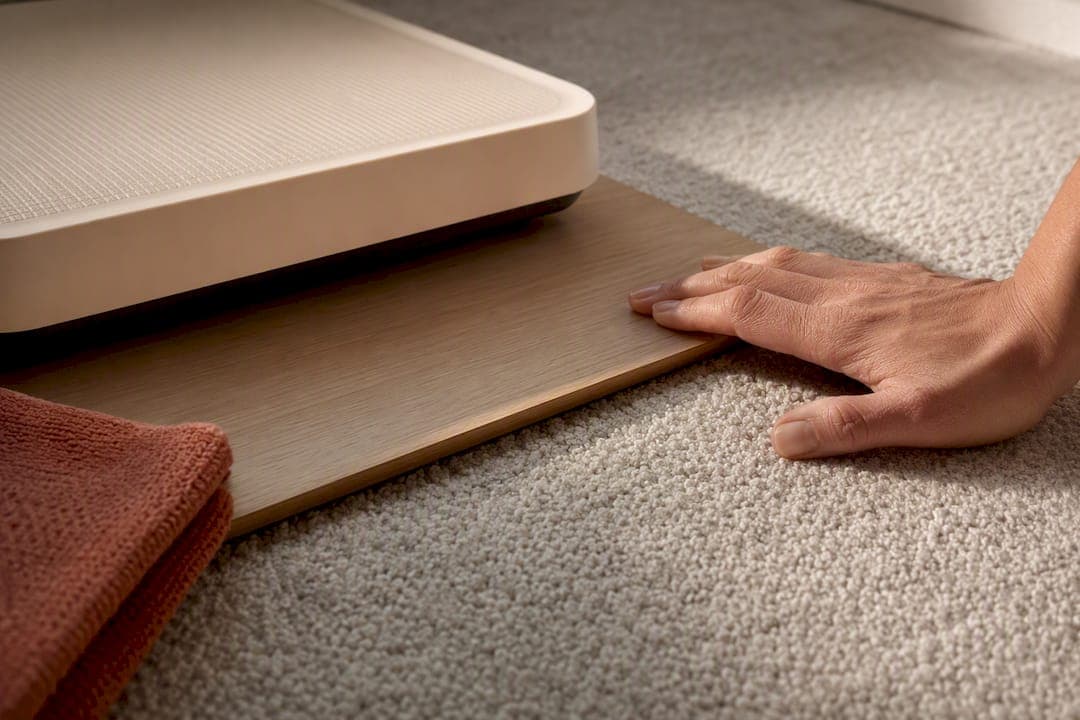
Test Your Scale on Carpet in 5 Minutes and Fix It in 30 Seconds
Learn a 30 second fix and a 5 minute known weight test to see how carpet skews your scale. Restore accurate weight and body composition readings quickly.
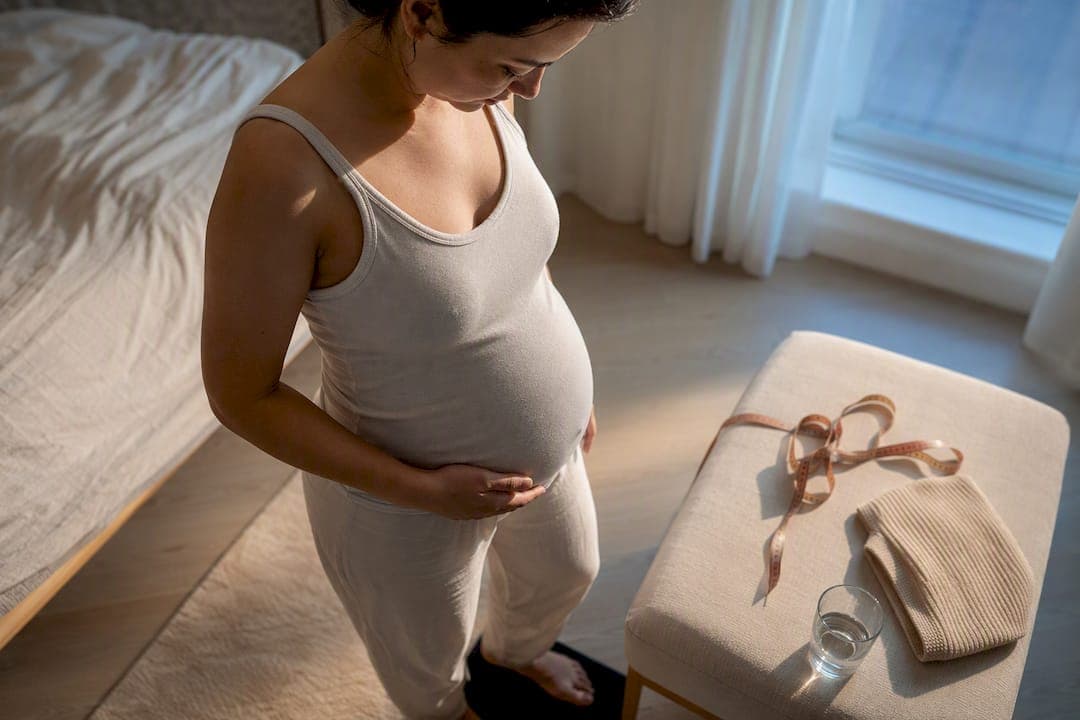
Track Pregnancy Weight Weekly for Trends Clinicians Can Use
Clinic-ready pregnancy weight tracking: same day weekly weigh ins, CDC and IOM BMI ranges, plus optional body composition data to produce trends...
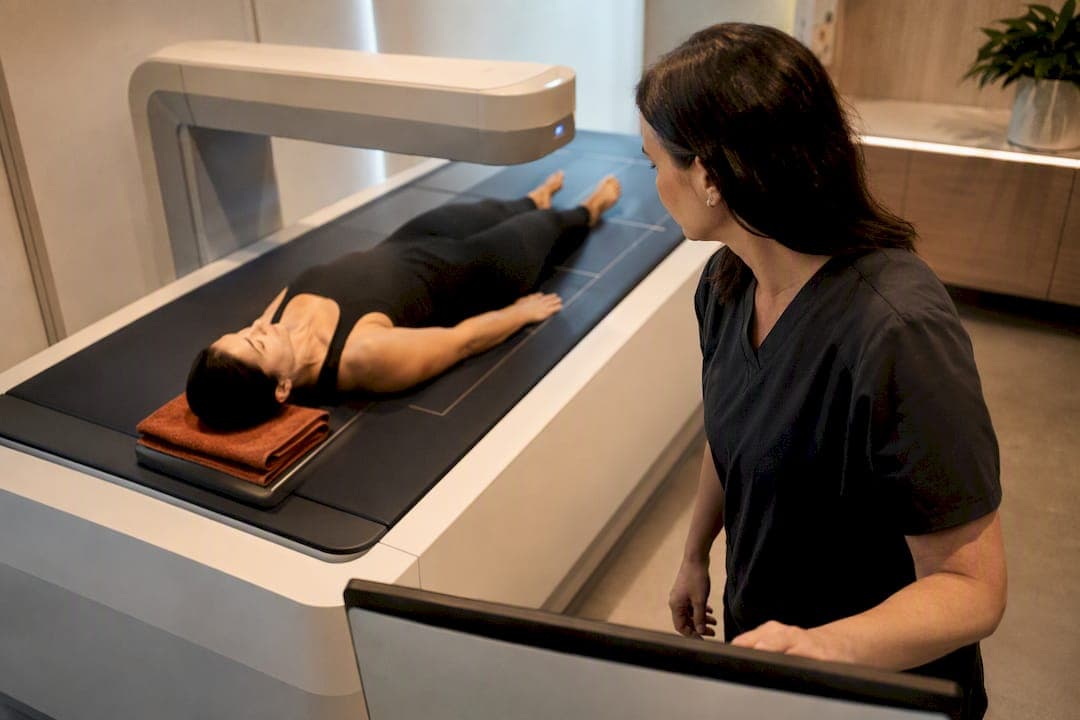
One DXA Scan to Calibrate Your Bioimpedance Scale and Track Trends
Use one DXA scan to calibrate your home bioimpedance scale, then follow a consistent BIA protocol to track weekly trends between clinical checks.
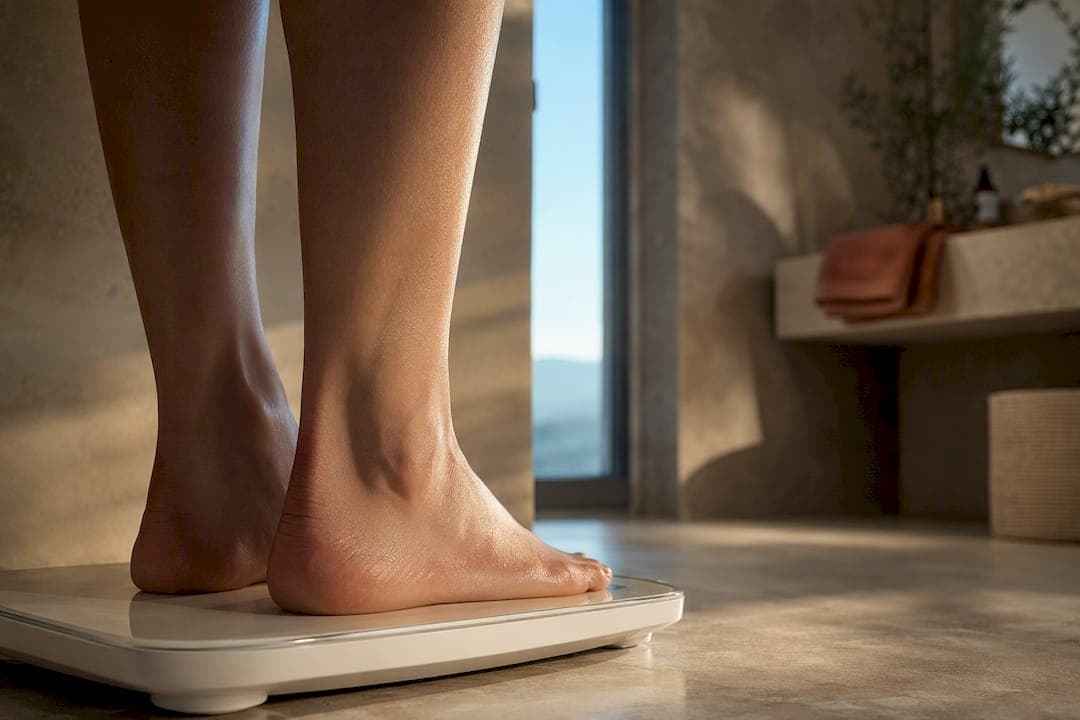
Trust Your Trend: BIA Scale Accuracy and a 7 Step Morning Protocol
BIA scales show a 3–4 percentage point average bias and wide individual error in peer reviewed studies. Follow a 7 step morning protocol to track true trends.

Fix At Home Visceral Fat Scale Accuracy: 5 Steps to Real Trend Data
Learn five steps to make home visceral fat readings meaningful, when to get CT or MRI, and how Uvirello helps you track reliable trend data.
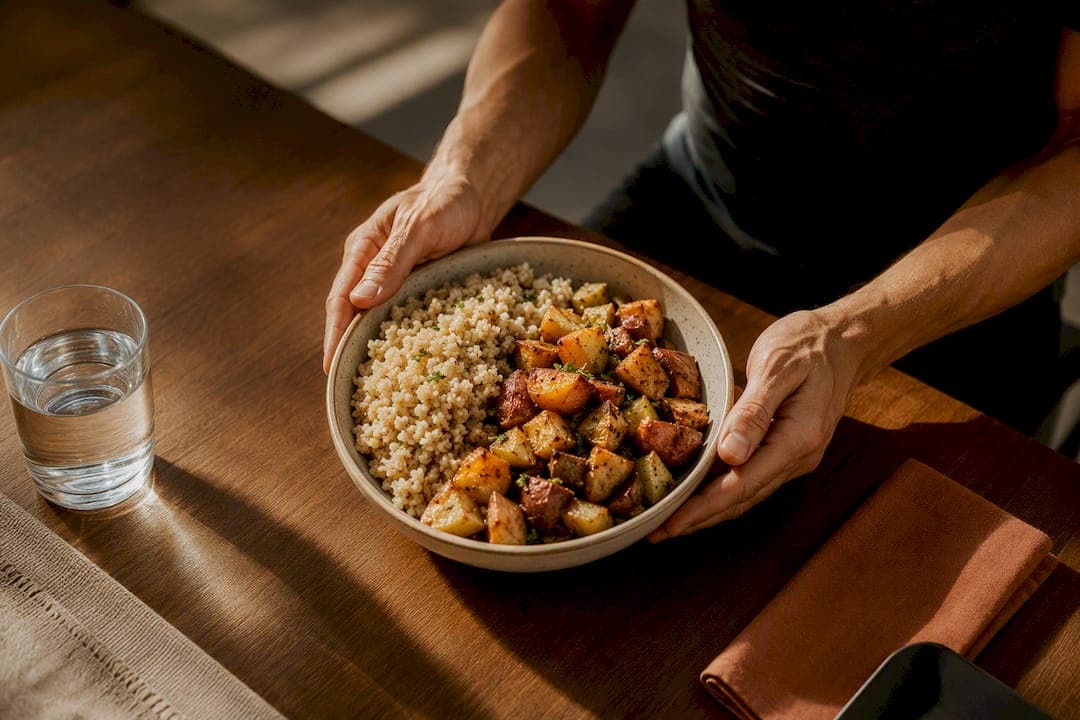
Endurance Athletes: 10–12 g/kg Carb Loading Means Weight Gain, Not Fat
Learn why carb loading raises scale weight (glycogen plus water, often close to 2 kg), follow 10 to 12 g/kg targets, and track weekly trends not daily spikes.