
Track your weight weekly against BMI-based ranges from the CDC and IOM, and pay more attention to the trend line than any single number on the scale. Fluid shifts, meal timing, and even the clothes you're wearing can swing a reading by a pound or two. Mayo Clinic and the CDC set the targets; a connected scale like Uvirello's can add useful body-composition context on top.
TL;DR:
- Most pregnant women gain weight within a BMI-dependent range, with underweight individuals advised to gain more and obese individuals less, per CDC and IOM guidelines.
- Weekly tracking at the same time and with the same scale, preferably using a rolling two-week average, provides the most reliable trend data.
- Significant weight fluctuations or symptoms like swelling, persistent loss, or health issues warrant earlier consultation, as outliers are common but should not be ignored when sudden or sustained.
- Body composition data from smart scales can add insight but should be interpreted as trends over time because pregnancy fluid shifts can cause misreadings.
- Consistent habits, like weekly same-time weigh-ins and regular provider communication, support healthy weight management and emotional wellbeing during pregnancy.
Table of Contents
- What's a Healthy Pregnancy Weight Gain Range for You?
- How Do You Track Pregnancy Weight Gain Accurately?
- Is Your Weight Gain Trend Normal, or a Red Flag?
- Which Pregnancy Weight Trackers Actually Work Best?
- What Should You Bring to Your Prenatal Weight Check?
- What Should You Eat and Do to Support Healthy Weight Gain?
- What Are the Biggest Myths About Pregnancy Weight Gain?
- How Do You Handle the Emotional Side of Weight Changes?
- A Practical Habit Worth Building Early
- A Scale That Does the Weekly Logging for You
- Where to Verify These Numbers Yourself
- Sources
What's a Healthy Pregnancy Weight Gain Range for You?
Your target isn't a single number. It's a range, and which range applies depends entirely on your pre-pregnancy body mass index. This is where most generic pregnancy weight gain charts fail people. They show one curve, as if every pregnant body starts from the same place.
The Institute of Medicine's guidelines, summarized by Mayo Clinic, break total recommended gain down by starting BMI:
- Underweight bodies should gain a higher range consistent with CDC and IOM recommendations
- Normal weight bodies have a recommended total weight gain within a specified range advised by health authorities
- Overweight bodies are advised a moderate total gain falling below normal-weight ranges
- Obese bodies have a lower recommended total gain range reflecting health guidance
Pacing matters just as much as the total. Most people gain only 1 to 4 pounds across the entire first trimester, then settle into a steadier climb. For someone starting at a normal BMI, that later pace works out to roughly 1 pound a week through the second and third trimesters. People starting overweight or obese generally gain weight at a slower weekly pace compared to those with normal BMI, consistent with medical guidance, though total gain over pregnancy varies by individual.
Carrying twins or triplets changes the math entirely, and there isn't a clean universal chart for it the way there is for singleton pregnancies. If you're expecting multiples, or you have a pre-existing condition like diabetes or a thyroid disorder, your provider will set an individualized target rather than pulling from the standard BMI table. That conversation should happen early, not after you've already noticed your gain looks "off" compared to a generic chart.
How Do You Track Pregnancy Weight Gain Accurately?
Reliable tracking data isn't complicated, but it does require consistency. A different scale on a different surface at a different time of day can produce numbers that look alarming when they're actually just noise.
Here's a protocol that works, based on the CDC's own weight tracker instructions:
- Weigh yourself once a week, on the same day, at the same time. Morning, right after waking and before eating, tends to give the most stable reading.
- Use the same scale every time. Switching between a bathroom scale and a clinic scale introduces variability that has nothing to do with your actual weight.
- Wear light clothing and skip shoes. Small differences in clothing weight add up over weeks of comparison.
- Round to the nearest pound and log it immediately, before you talk yourself out of it or forget.
- If you miss a week, don't panic or try to average two weeks into one entry. Just pick back up the following week; a single gap doesn't break your trend.
For logging, you have four real options: a printable chart from the CDC, a basic spreadsheet, a pregnancy-specific app, or an app-connected smart scale that logs the number automatically. If you never confirmed your pre-pregnancy weight before conceiving, use your earliest first-trimester weight as a reasonable starting point and flag it as an estimate for your provider.
Pro Tip: Look at a rolling two-week average instead of comparing this Monday to last Monday. A single high or low reading almost always evens out, and the rolling average filters out water retention, digestion, and cycle-related noise far better than any one data point can.
Is Your Weight Gain Trend Normal, or a Red Flag?
Clinicians don't panic over one high reading, and you shouldn't either. What they actually watch is the slope of the line across visits, not the absolute number on any given day. A reading that sits a little above or below your target range for one week rarely means anything on its own.
Several ordinary things can push you temporarily off your projected line: fluid retention (especially in the third trimester), a stretch of reduced appetite from nausea or heartburn, or shifts tied to activity level. None of these require a call to your provider by themselves.
Some patterns do warrant reaching out sooner rather than waiting for your next scheduled visit:
- Rapid, unexplained gain of several pounds within a single week, especially with swelling in the hands or face
- Consistent weight loss that continues past the first trimester
- Any weight change paired with headaches, vision changes, or reduced fetal movement
Where most people actually land: CDC data shows about 1 in 3 pregnant women gain within the IOM-recommended range, roughly 1 in 5 gain below it, and close to 1 in 2 gain above it. That means being outside the "ideal" band is common. It's a conversation starter with your provider, not an automatic emergency.
Which Pregnancy Weight Trackers Actually Work Best?
Four tools dominate this space, and they trade off differently on privacy, precision, and effort.
- Printable charts (like the CDC's own tracker) are free, private, and require zero setup. The tradeoff is manual math and no automatic reminders.
- Web-based calculators give you a personalized target range in seconds based on your BMI, useful for a one-time check but not built for ongoing logging.
- Pregnancy apps automate the chart and often layer on nutrition or symptom tracking, though most require an account and some level of data sharing.
- App-connected smart scales log your weight automatically the moment you step on, removing the friction that causes most people to abandon manual tracking within a few weeks.
A scale that also reports body composition, like Uvirello's Smart Electronic Weight Scale, adds a layer plain bathroom scales can't: distinguishing whether a shift looks more like fluid than fat. That distinction is genuinely useful heading into a conversation with your provider, though it's worth reading it with some caution. Pregnancy causes real fluid shifts that body-fat sensors can misread as fat change, so treat those numbers as a trend to watch over weeks, not a single-day diagnosis. If you go this route, check how the app handles your data before linking it to your provider's system. We've broken down what to look for in our privacy guide for connected health devices.
What Should You Bring to Your Prenatal Weight Check?
Your provider is comparing your trend against fetal growth measurements and lab work, not just eyeballing the number on their office scale. Coming prepared makes that fifteen-minute visit far more useful.
- Bring your logged trend, printed or on your phone, covering at least the past four to six weeks.
- Note your estimated pre-pregnancy weight and how confident you are in that number.
- Write down three questions before you walk in: Is my current pace on track for my BMI category? Should my calorie intake change? Is my activity level appropriate for this stage?
Providers read weight trends as one signal among several. Bringing organized data means less time recalculating numbers in the exam room and more time actually talking about what your trend means.
What Should You Eat and Do to Support Healthy Weight Gain?
Food quality matters more than counting every calorie, especially early on. The USDA's MyPlate guidance for pregnancy recommends no extra calories at all during the first trimester for most people, then roughly 300 to 400 additional calories a day in the second and third trimesters, depending on your starting BMI. That's about one extra snack, not a second dinner.
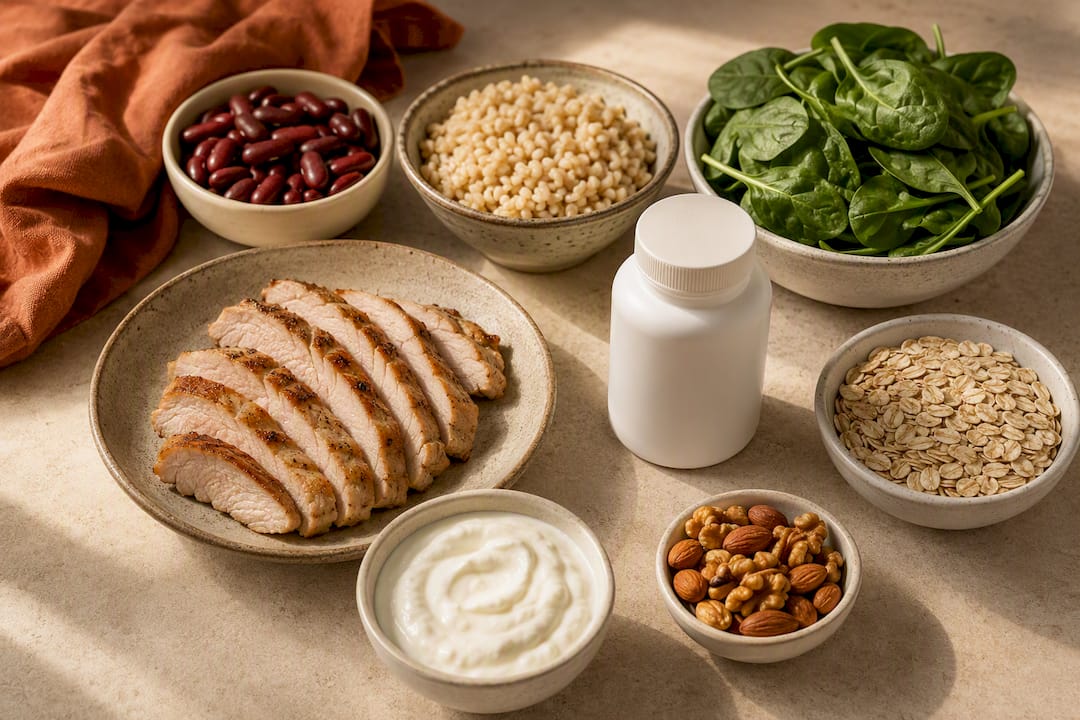
Focus on protein, fiber, and iron-rich foods: lean meat, beans, leafy greens, and whole grains, with dairy or a calcium substitute for bone development. Folic acid and prenatal vitamins matter for the first trimester specifically, when neural tube development is happening fast.
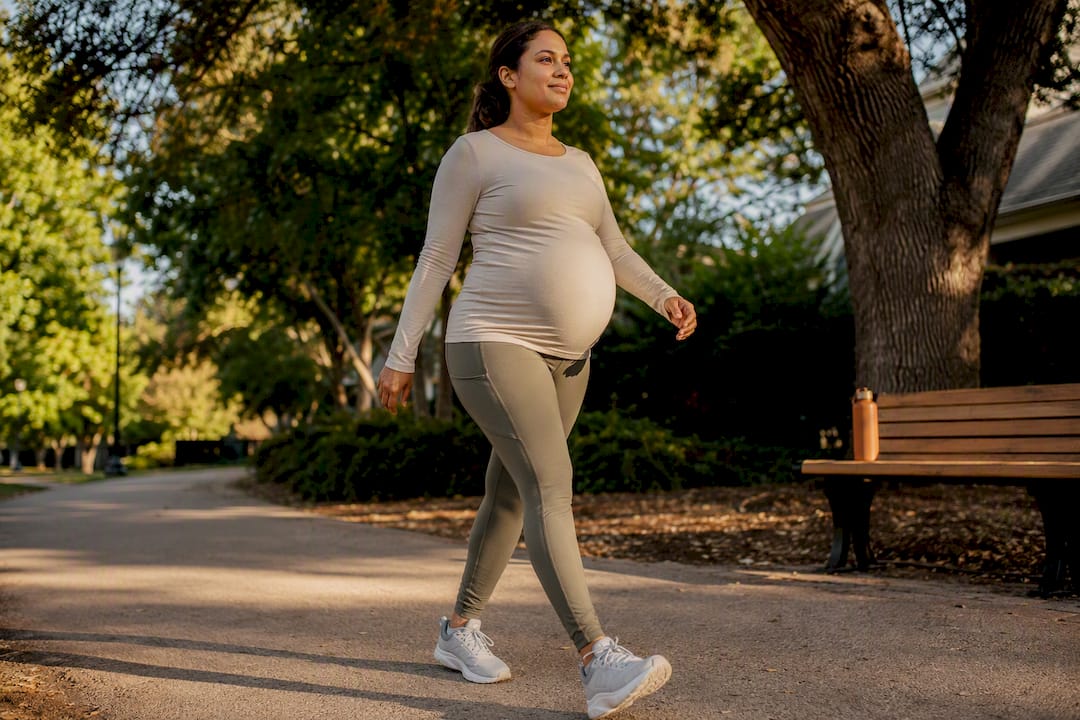
Movement still counts. Unless your provider has restricted activity, aim for around 150 minutes of moderate exercise a week, spread across most days. Walking, swimming, and prenatal yoga are the usual go-to options because they're low-impact and easy to sustain into the third trimester. Activity does more than manage weight gain. It supports better sleep, lowers gestational diabetes risk, and tends to make labor recovery smoother.
Hydration and sleep get overlooked constantly. Dehydration can mimic the sluggish, bloated feeling people mistake for weight gain, and poor sleep disrupts the hormones that regulate appetite. If your weekly weigh-in trend looks flat when you expected more movement, check your water intake and sleep before assuming something's wrong with the number itself.
What Are the Biggest Myths About Pregnancy Weight Gain?
"Eating for two" might be the most persistent myth in pregnancy nutrition, and it's simply not how the math works. A second-trimester calorie bump of 300 to 400 calories a day is closer to a glass of milk and a slice of toast than an entire extra meal.
Another common misconception: that gaining less automatically means a healthier pregnancy. Undergaining, particularly for someone who started at a normal or underweight BMI, carries its own risks, including low birth weight and preterm delivery. The goal isn't minimal gain. It's gain that matches your starting BMI category.
People also assume the scale tells the whole story. It doesn't. Two people gaining the identical 30 pounds can have very different outcomes depending on how much of that gain is fluid, placenta, and fetal growth versus fat tissue. That's part of why trend direction over weeks matters more than any single reading, and why body-composition context can add useful nuance rather than just another number to obsess over.
There's also a stubborn belief that you should be able to "lose it all" within weeks of delivery. Postpartum weight loss is typically gradual, and the research on frequent self-monitoring apps actually supports patience paired with consistency: people who logged their weight more often after delivery saw better long-term outcomes, not faster ones. Finally, the idea that stretch marks or a changed shape mean you "gained wrong" has no basis in the science. Skin elasticity and where your body stores weight are largely genetic, not a report card on your choices.
How Do You Handle the Emotional Side of Weight Changes?
Watching your body change on a schedule you don't control can be genuinely hard, even when every number on your chart is exactly where it should be. That discomfort is common, and it doesn't mean something is wrong with how you're coping.
Body image struggles during pregnancy often get dismissed with "it's for the baby," as if that erases the real feelings underneath. It doesn't. Feeling frustrated, anxious, or disconnected from a changing body is a normal response to rapid physical change, not a character flaw.
A few things help keep the emotional weight of this manageable. First, track for trend awareness, not for daily judgment. Weigh in once a week, log it, and close the app or put down the chart until next week. Checking daily invites you to react to noise instead of signal, and that habit tends to breed anxiety rather than useful information.

Second, talk to your provider if the emotional load feels heavier than the physical one. Persistent negative feelings about weight or body image, especially if paired with changes in eating patterns, are worth raising at a prenatal visit just like any physical symptom. Perinatal mental health support exists precisely because this stuff is common, not rare.
Third, remember that postpartum weight loss after pregnancy follows its own timeline, and comparing your recovery to anyone else's, including your own previous pregnancy, rarely helps. Bodies that carried different pregnancies behave differently. That's not a failure of effort. It's biology doing what it does.
A Practical Habit Worth Building Early
The single habit that made the biggest difference for the people I've talked with about this wasn't a fancier chart or a smarter app. It was simply weighing in on the same day, same time, every single week, and refusing to react emotionally to any one number. Consistency beats precision here. If you want to go deeper on how body composition data fits into that picture, our piece on why tracking composition beats weight alone is worth a read, along with our privacy breakdown before syncing any device to an app.
— Jacob
A Scale That Does the Weekly Logging for You
If the biggest obstacle to consistent tracking is the manual work of writing down a number every week, that's exactly the friction the Uvirello Smart Electronic Weight Scale is built to remove.
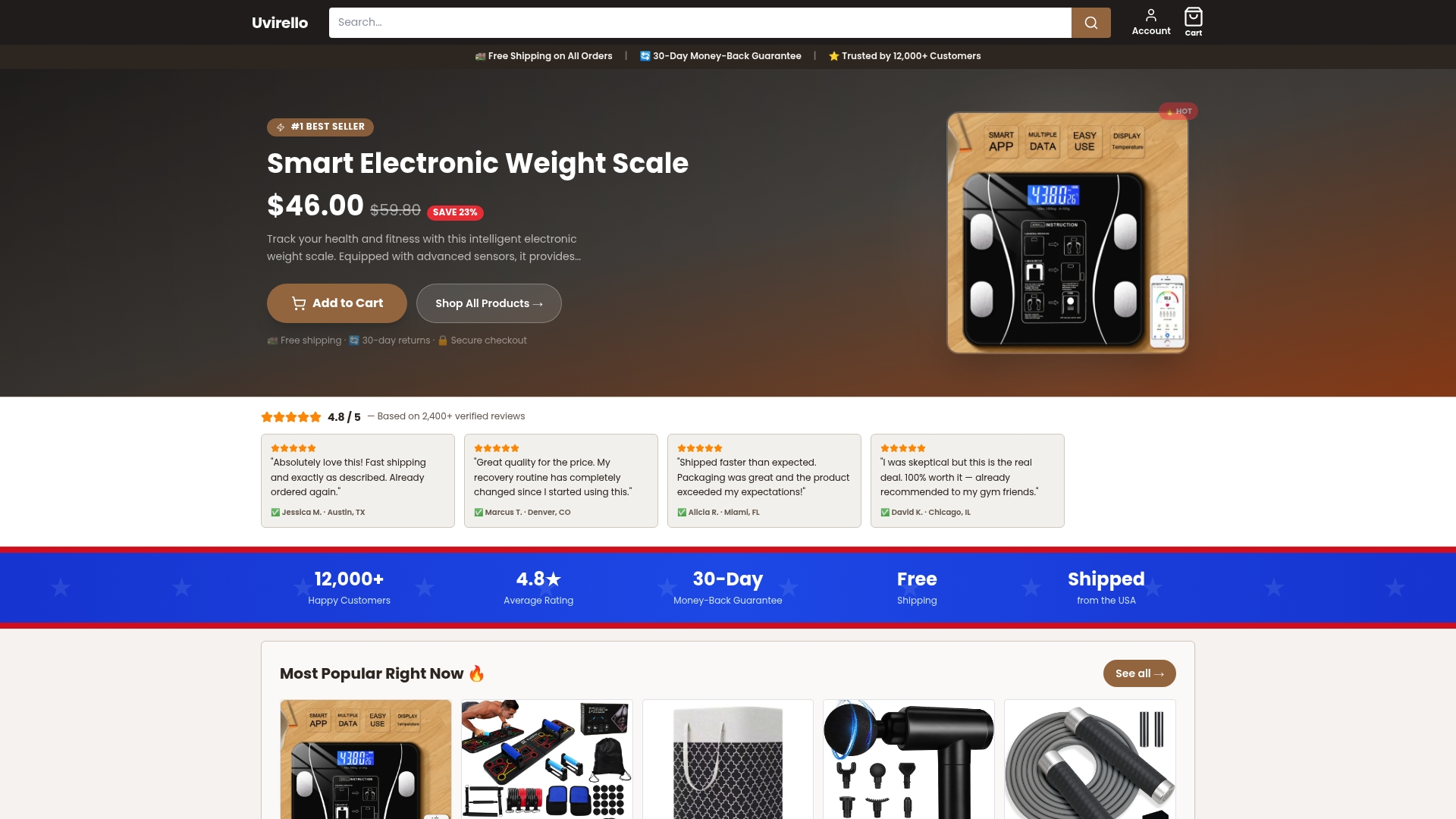
It logs your weigh-in automatically the moment you step on, syncs it to a trend view, and adds body-composition context like body fat percentage alongside your weight, the kind of extra signal that helps you and your provider tell fluid shifts from steadier changes. It's built for exactly this kind of week-after-week habit, not a one-time weigh-in. If you're ready to trade the printable chart for something that does the math for you, check the Uvirello Smart Electronic Weight Scale and see whether it fits your weekly routine.
Where to Verify These Numbers Yourself
For the official ranges and a printable tracker, go straight to the CDC's pregnancy weight guidance and Mayo Clinic's breakdown of healthy gain by BMI. For broader planning tools, Baby Bare Essentials offers free pregnancy planners worth bookmarking.
This article is general information, not a substitute for advice from a qualified doctor. Consult a qualified healthcare professional about your own circumstances before acting on anything here.