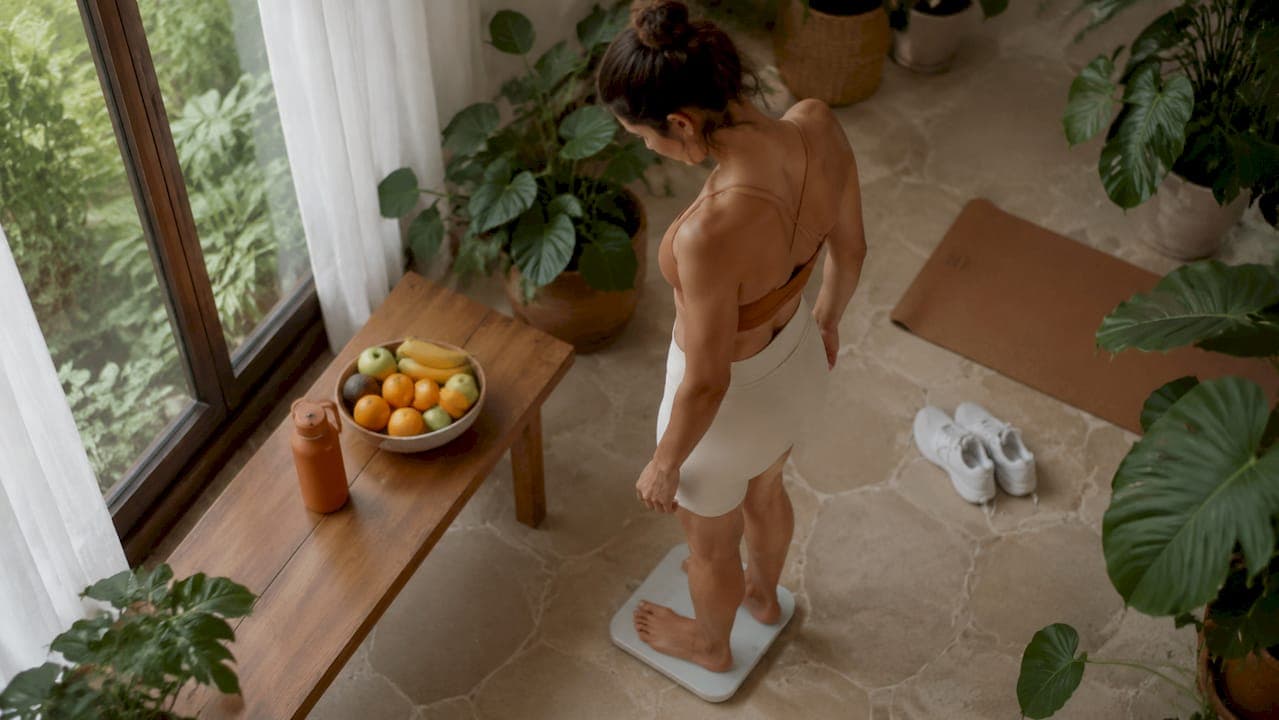
Weight loss progress tracking is the practice of measuring and recording physical and performance changes over time to guide your efforts and sustain motivation. The most effective approach combines smart scales, body measurements, progress photos, and fitness logs rather than relying on a single number. Each method captures a different dimension of change, and together they give you a complete picture. Tools like the Uvirello Smart Electronic Weight Scale, Apple Health, and Google Fit make multi-method tracking more accessible than ever.
What are the main types of weight loss progress tracking?
The core types of weight loss progress tracking fall into five categories: scale-based measurement, body circumference tracking, visual documentation, fitness performance logging, and health marker monitoring. Each category answers a different question about your progress. Scale weight tells you total mass. Body measurements tell you where fat is shifting. Photos show what numbers cannot. Fitness logs prove your body is getting stronger and more capable. Health markers confirm your efforts are improving your long-term wellbeing.
Using all five categories together is the most reliable weight loss tracking method available. Adherence to a tracking routine is a stronger predictor of long-term success than measurement precision. That means a simple system you actually use beats a perfect system you abandon after two weeks.
1. Smart scales and body composition metrics
Smart scales are the most common starting point for weight loss progress tools. A high-quality smart scale measures weight accurately within 50 grams and provides body composition metrics including body fat percentage, muscle mass, and BMI. These metrics reveal whether you are losing fat, muscle, or water, which the number on the scale alone cannot tell you.
Smart scales use bioelectrical impedance analysis (BIA) to estimate body composition. BIA sends a small electrical current through the body and measures resistance. BIA readings vary with hydration, so individual daily readings are less meaningful than trends observed over weeks. The Uvirello Smart Electronic Weight Scale uses high-precision sensors and has earned a 4.8 out of 5 rating from over 12,000 customers, reflecting consistent real-world reliability.
Most smart scales sync with Apple Health and Google Fit, which automatically chart weight trends over time. That trend view is where the real insight lives. A single weigh-in can be misleading due to sodium intake, hormonal shifts, or a heavy meal the night before.
Pro Tip: Weigh yourself every morning after using the bathroom and before eating. Then track your weekly average, not individual readings. Four-week averages smooth out daily fluctuations and prevent unnecessary discouragement.
- Measure at the same time each day for consistent comparisons
- Avoid weighing after intense exercise or alcohol consumption
- Use the app's trend graph, not the daily number, as your reference point
- Log your weekly average in a dedicated note or spreadsheet
2. Body measurements and circumference tracking
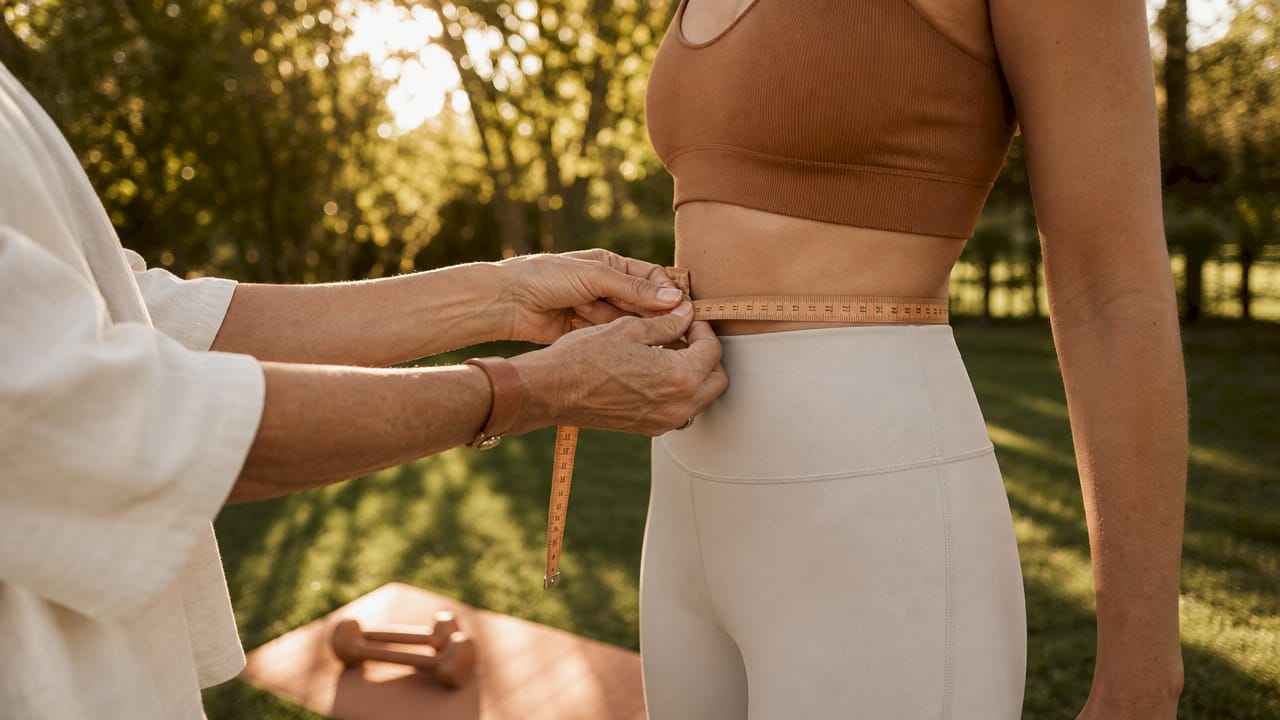
Body measurements are one of the most underused weight loss tracking methods. Waist circumference, in particular, predicts disease risk better than BMI and detects fat loss that the scale misses entirely. You can lose inches from your waist while your weight stays flat, which happens regularly when you are building muscle alongside losing fat.
The standard measurement sites are waist, hips, chest, upper arms, and thighs. Measure at the same anatomical landmarks each time. For the waist, measure at the narrowest point between your ribs and hip bones, not at the navel.
Here is a reliable measurement protocol:
- Measure first thing in the morning before eating or drinking
- Stand upright with relaxed muscles, not flexed
- Wrap the tape measure snugly but not compressing the skin
- Record each measurement to the nearest 0.5 cm or 0.25 inch
- Repeat each measurement twice and average the two readings
- Log results in a spreadsheet or a dedicated app like MyFitnessPal
Experts recommend measuring monthly or biweekly for the clearest picture of change. Measuring too frequently creates noise. Monthly measurements show genuine trends.
Pro Tip: Take your measurements on the same day of the week, at the same time, wearing the same amount of clothing. Consistency in conditions is more important than the exact measurement tool you use.
3. Progress photos for visual documentation
Progress photos are one of the most motivating ways to monitor weight loss because they capture changes that numbers never fully communicate. Photos taken every 3–4 weeks under consistent conditions provide the clearest visual comparison over time. The difference between a photo from month one and month four can be striking even when the scale has barely moved.
Standardizing your photo conditions is what makes them useful rather than misleading. Inconsistent lighting, angles, or clothing make comparisons unreliable.
- Shoot in the same location with the same natural or artificial light source
- Use the same angle: front, side, and back views
- Wear the same or similar fitted clothing each time
- Take photos at the same time of day, ideally morning
- Store photos in a private folder or a dedicated app for side-by-side comparison
The psychological benefit of progress photos is real. Seeing a visual record of change reinforces that your effort is working, even during weeks when the scale stalls. Many people feel self-conscious taking photos early in their journey. The solution is to take them anyway and keep them private. You are not sharing them. You are building evidence for yourself.
4. Clothing fit as a practical progress indicator
Clothing fit is a simple, zero-cost way to track body composition changes in real life. Weekly clothing fit checks provide tangible evidence of fat loss that scales and measurements sometimes lag behind. When a pair of jeans that was tight becomes comfortable, that is real, undeniable progress.
Choose one or two benchmark garments at the start of your weight loss effort. A fitted pair of pants and a snug shirt work well. Try them on every week or two and note how they feel across the waist, hips, and chest. This method requires no equipment and takes under two minutes.
Clothing fit also captures changes in posture and muscle tone that measurements miss. A shirt that fits differently across the shoulders after months of strength training reflects genuine body composition change, even if your weight is identical.
5. Fitness performance logs
A training log is one of the most telling weight loss progress tools available, yet most people skip it entirely. Tracking strength and stamina through logs and fitness tests provides direct evidence that your body is changing, often before the scale or measurements reflect it. When you can do 15 push-ups where you could only do 5, your body composition has shifted.
A complete training log records:
- Exercises performed, with sets, reps, and weights used
- Cardio sessions with duration, distance, and perceived effort
- Resting heart rate measured first thing in the morning
- Energy levels and sleep quality on a simple 1–10 scale
- Recovery notes such as soreness or stiffness
Standard fitness tests like timed mile runs, maximum push-ups in one minute, and wall sit duration give you objective benchmarks to retest every four to six weeks. These tests are free, require no equipment, and produce numbers that improve with consistent training.
Tracking cardiovascular and metabolic health markers complements weight loss efforts and confirms that your body is responding beyond the surface level. Blood pressure, resting heart rate, and energy levels are vital indicators of real health improvement.
6. Digital apps and journaling tools
App-based tracking is one of the most effective weight loss tracking methods for people who want data without manual calculations. App-based interventions produce significant weight loss, with high-adherence users losing an average of 7.0 kg. That result comes from consistent logging, not from the app itself.
Apps like MyFitnessPal, Cronometer, and Lose It! track calorie intake and macronutrients. Wearables like Fitbit and Apple Watch add step counts, active calories, and heart rate data. When synced with a smart scale like Uvirello, these platforms create a unified dashboard of your progress across multiple metrics. You can explore fitness tracking workflows that combine these tools without creating an overwhelming daily routine.
Paper journaling remains a valid and effective option. A simple notebook where you record daily weight, meals, mood, and workout notes works just as well for many people. The format matters less than the habit.
Pro Tip: Start with one app and one manual method. Adding too many tools at once creates friction. A minimal viable tracking routine such as a training log and weekly scale weight builds sustainable habits without burnout.
7. Comparing tracking methods: which one fits your lifestyle?
No single method works for everyone. The right combination depends on your schedule, personality, and goals.
| Method | Ease of use | Accuracy | Motivation impact | Cost |
|---|---|---|---|---|
| Smart scale | High | High (trends) | Moderate | $30–$100+ |
| Body measurements | Moderate | High | High | Free |
| Progress photos | High | Visual only | Very high | Free |
| Clothing fit | Very high | Qualitative | High | Free |
| Fitness performance log | Moderate | High | Very high | Free |
| Digital apps | High | Moderate to high | Moderate | Free to $10/month |
The table makes one thing clear: most of the most effective methods cost nothing. Smart scales add precision and trend data, but the free methods are often more motivating.
Adherence beats accuracy every time. A person who consistently checks clothing fit and logs workouts will outperform someone who uses a premium scale inconsistently. Start with two or three methods that feel natural, then add more as the habit solidifies.
Pro Tip: Combine one digital tool with one manual method. For example, pair a smart scale with a paper measurement log. Digital tools catch trends. Manual logs build awareness and ownership of your progress.
Key takeaways
Effective weight loss progress tracking requires multiple complementary methods because no single metric captures the full picture of physical change.
| Point | Details |
|---|---|
| Use multiple methods | Combine smart scales, measurements, photos, and fitness logs for complete insight. |
| Adherence beats precision | Consistently using a simple method outperforms an advanced system used irregularly. |
| Waist circumference matters | Waist size predicts disease risk better than BMI and reveals fat loss the scale misses. |
| Track weekly averages | Four-week weight averages eliminate daily noise from hydration and sodium fluctuations. |
| Start minimal | Begin with two methods and add more only after the habit is established. |
What I have learned from tracking the wrong things first
The most common mistake I see is treating the scale as the only measure of progress. People weigh themselves daily, see a number go up by half a pound, and conclude their week was a failure. That is not tracking. That is self-sabotage with data.
The shift that changes everything is moving from daily scale obsession to weekly averages combined with at least one non-scale method. When you see your waist measurement drop by an inch while your weight holds steady, you stop fearing the scale. You start understanding your body instead of judging it.
I have also seen people go the other direction and track everything obsessively. Logging every gram of food, measuring every body part weekly, photographing themselves daily. That level of tracking creates anxiety, not clarity. The goal is enough data to make good decisions, not a complete audit of your body every 24 hours.
The best tracking system is the one you actually use six months from now. That means it has to fit your real life, not your ideal life. If you travel frequently, a smart scale that syncs to your phone and a clothing fit check covers 80% of what you need. If you are gym-focused, a training log and monthly measurements tell the whole story. Personalize it, keep it simple, and stay consistent. That combination works better than any single tool on the market.
— Jacob
Start tracking smarter with Uvirello
Getting your tracking setup right from the start saves months of guesswork. Uvirello's Smart Electronic Weight Scale measures body fat percentage, BMI, muscle mass, and weight with high-precision sensors, then syncs directly with Apple Health and Google Fit for automatic trend analysis.
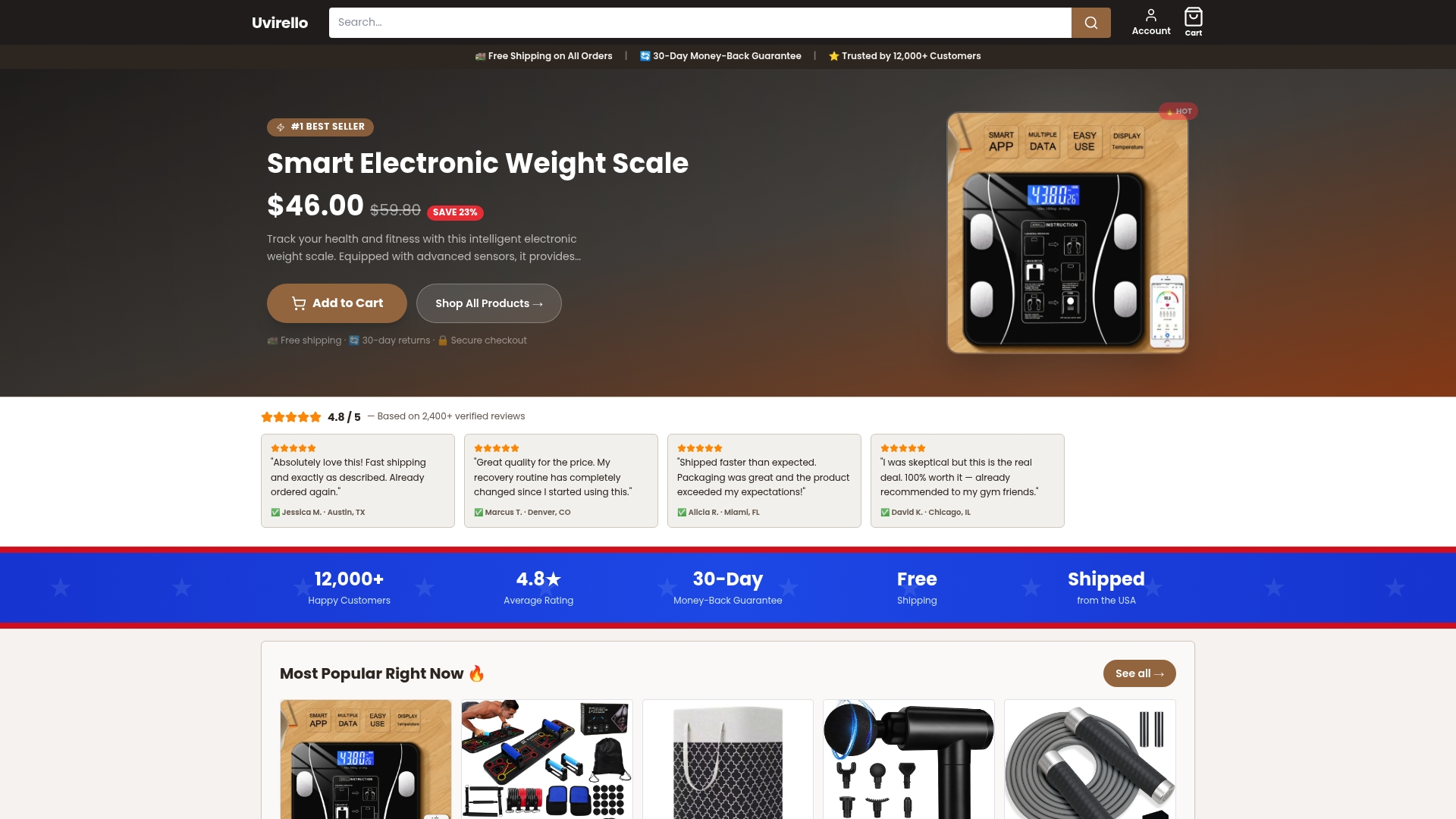
Over 12,000 people have rated Uvirello 4.8 out of 5 for accuracy and ease of use. It pairs naturally with the manual methods covered in this article, giving you both the digital trend data and the context to interpret it. Visit Uvirello to see the full specs and find the right scale for your tracking routine.
FAQ
What are the most effective types of weight loss progress tracking?
The most effective types combine smart scales, body measurements, progress photos, fitness logs, and clothing fit checks. Using multiple methods together provides a more accurate and motivating picture than any single metric alone.
How often should I weigh myself for weight loss tracking?
Weigh yourself daily and track your weekly average rather than reacting to individual readings. Four-week averages smooth out fluctuations caused by hydration, sodium, and hormonal changes.
Are smart scales accurate enough for body fat tracking?
Smart scales measure weight within 50 grams and estimate body fat with a 3–5% margin of error. They are most useful for tracking trends over time rather than pinpointing an exact body fat percentage on any given day.
What is the best free method to track weight loss progress?
Body measurements and fitness performance logs are the most accurate free methods. Waist circumference in particular detects fat loss that the scale often misses, especially when you are building muscle simultaneously.
How do I stay consistent with weight loss tracking?
Start with a minimal routine of two methods and build from there. Adherence to tracking predicts long-term success more reliably than using the most precise tools available.