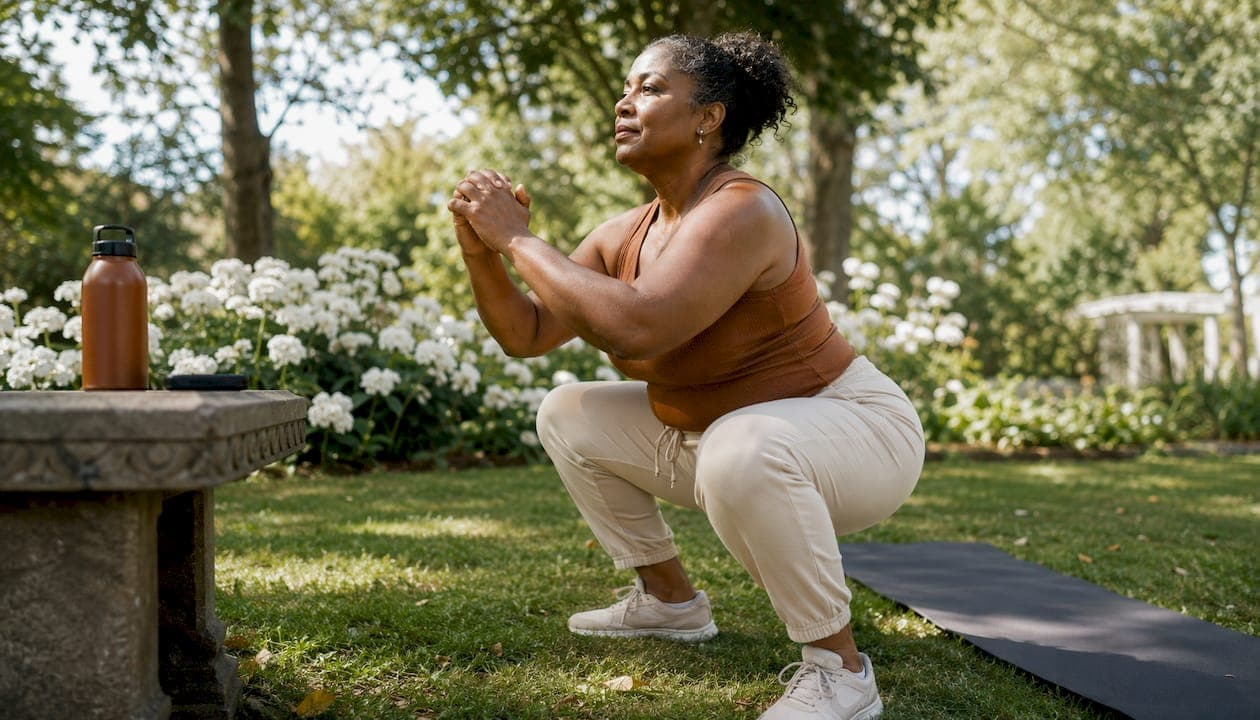
A micro-workout is a short, vigorous burst of exercise lasting anywhere from 20 seconds to 10 minutes, repeated multiple times throughout the day to build up meaningful activity. You are not replacing your gym session with a single squat. You are stacking brief, intense efforts across your day until they add up to something real. Experts recommend hitting a cumulative amount of vigorous movement daily, spread across these mini sessions. The scientific term for this approach is vigorous intermittent lifestyle physical activity, or VILPA.
Key characteristics at a glance:
- Duration: 20–60 seconds for a quick burst, or 3–7 minutes for a slightly longer session
- Intensity: Vigorous enough to spike your heart rate or fatigue a muscle group fast
- Frequency: Multiple times per day, not once and done
- Equipment: None required; a small space is enough
- Examples: Running up stairs, squats, push-ups, jumping jacks, running in place
What are the real benefits of micro-workouts?
The cardiovascular case for micro-workouts is hard to ignore. Short bursts of high-intensity activity can reduce heart attack risk by 51% and heart failure risk by 67% in women who average just 3.4 minutes of vigorous movement daily. Even 1–2 minute bursts lower heart risks by roughly 30%. That is a meaningful return on a very small time investment.
Stat to know: Accumulating multiple short bouts of vigorous activity daily is linked to a 38–49% reduction in all-cause, cardiovascular, and cancer mortality risk compared to sedentary people, based on an average follow-up of 6.9 years.
The metabolic benefits are just as striking. Five 4-second cycling sprints every hour reduced triglyceride levels by 31% and increased fat metabolism by 43% the following day. Micro-workouts also improve insulin sensitivity, which matters enormously for anyone who sits at a desk for most of the workday.
Beyond the numbers, here is what micro-workouts do for your daily life:
- Build exercise habits gradually: Starting small removes the intimidation of a full gym commitment
- Fit anywhere: Home, office, hotel room, or backyard, no locker room needed
- Cover all fitness areas: Even a 3–7 minute session can touch cardio, strength, and flexibility
- Break up sedentary time: Short movement breaks improve circulation and reduce muscle tension from prolonged sitting
- Improve focus: Exercise, even brief, tends to sharpen concentration for the hour that follows
How to start micro-workouts if you are a beginner
The single biggest mistake beginners make is overcomplicating the first week. Pick three or four movements you already know, and rotate through them. That is your entire plan. No equipment is needed, and you can do every one of these in work clothes in a 6-by-6-foot space.
Beginner movement options:
- Squats (10–15 reps)
- Push-ups (5–10 reps, or wall push-ups to start)
- Chair dips (8–12 reps)
- Stair climbing (one or two flights at a brisk pace)
- Running in place (30–60 seconds)
- Jumping jacks (20–30 seconds)
- Standing calf raises (15–20 reps)
Scheduling ideas that actually stick:
- Do a set of squats every time you refill your water bottle
- Take the stairs instead of the elevator, every time, and push the pace
- Set a phone reminder for every hour during your workday for a 2-minute movement break
- Pair push-ups with an existing habit, like right after your morning coffee
Pro Tip: Keep a short, pre-written list of three to five exercises on a sticky note at your desk or on your phone. When the moment arrives, you pick one and go. Skipping the "what should I do?" decision is what separates people who actually do micro-workouts from those who mean to.
For a 3–7 minute session, try this structure: two minutes of strength (squats or push-ups), two minutes of cardio (jumping jacks or running in place), and one to two minutes of stretching. You have just covered all three pillars of fitness before your next meeting starts. Tracking your body composition as your habits build can sharpen your motivation. The Uvirello smart scale gives you body fat percentage and BMI readings that show real change over time, not just a number on a dial.

An AI training platform can also help beginners structure these sessions with guided progressions, removing the guesswork as you get stronger.

How long, how often, and how effective are micro-workouts?
Duration and frequency work together. A single 20-second sprint is not enough on its own, but three to five sessions spread across the day add up fast. The target is several minutes of movement every hour, which is particularly effective for managing blood glucose and insulin levels in people who sit most of the day.
Stat to know: Inactive adults who did 20-second sprint snacks three times a day for six weeks improved their cardiorespiratory fitness by 9%, a result comparable to longer cycling sessions.
Micro-workout vs. traditional workout: what the research actually shows
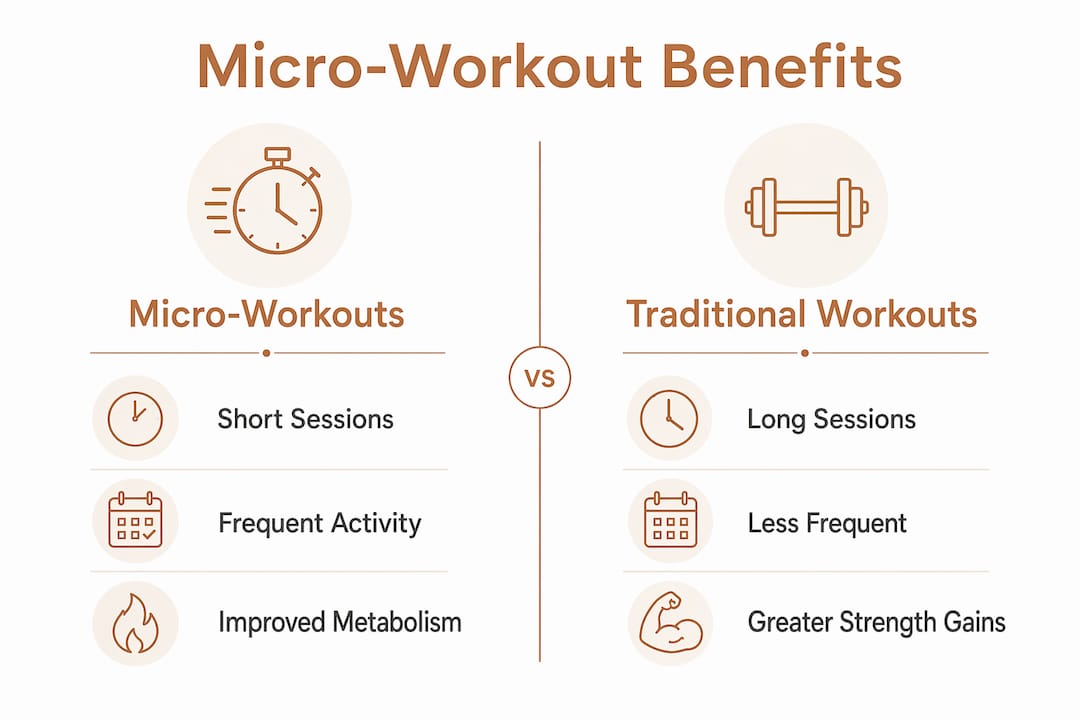
| Factor | Micro-workouts | Traditional sessions |
|---|---|---|
| Session length | 20 seconds to 10 minutes | 30–60+ minutes |
| Daily frequency | Multiple times | Once |
| Equipment needed | None | Often yes |
| Cardio fitness gains | Comparable for general health | Stronger for endurance events |
| Muscle mass building | Limited | Better with progressive overload |
| Habit formation | Easier for beginners | Harder to sustain initially |
| Metabolic benefits | Strong (insulin, triglycerides) | Strong |
One important boundary: micro-workouts are excellent for general health, glucose regulation, and cardiovascular maintenance, but they do not replace progressive overload training for anyone chasing serious muscle growth or athletic performance. They work best as a daily foundation, ideally combined with at least two resistance training sessions and some moderate aerobic work each week.
For controlled technique in short workouts, keep sessions under 10 minutes and prioritize clean form over raw speed. A sloppy squat done fast is how beginners get hurt. Slow it down, feel the movement, then add intensity over time.
Key Takeaways
Micro-workouts deliver real cardiovascular and metabolic benefits when done vigorously and consistently, making them one of the most practical fitness tools for busy beginners.
| Point | Details |
|---|---|
| Definition and duration | Sessions last 20 seconds to 10 minutes, repeated multiple times daily. Aim for at least 15 cumulative minutes of vigorous activity per day as recommended by experts. |
| Cardiovascular impact | Short vigorous bursts are linked to a 38–49% reduction in cardiovascular and all-cause mortality risk. |
| Metabolic benefit | Five 4-second sprints per hour cut triglycerides by 31% and raised fat metabolism by 43% the next day. |
| Best starting approach | Pick 3–4 simple movements, pre-plan them, and attach them to existing daily habits. |
| Limitations | Micro-workouts support general health but do not replace progressive resistance training for muscle growth. |