
Performance monitoring tools for home gyms are devices and software that track workout metrics like repetitions, load, velocity, and movement form to help you train with purpose and measure real progress. The industry term for this category is workout performance analytics, and it covers everything from AI-powered smart gym equipment to mobile apps running dynamic progression algorithms. The right setup tells you not just what you lifted, but whether you lifted it well. For home gym owners in 2026, these tools have become the difference between guessing at progress and actually measuring it.
1. What features make performance monitoring tools effective for a home gym?
The most effective home gym performance monitoring tools share four core capabilities: real-time feedback, accurate load measurement, adaptable software, and a setup that fits your space.
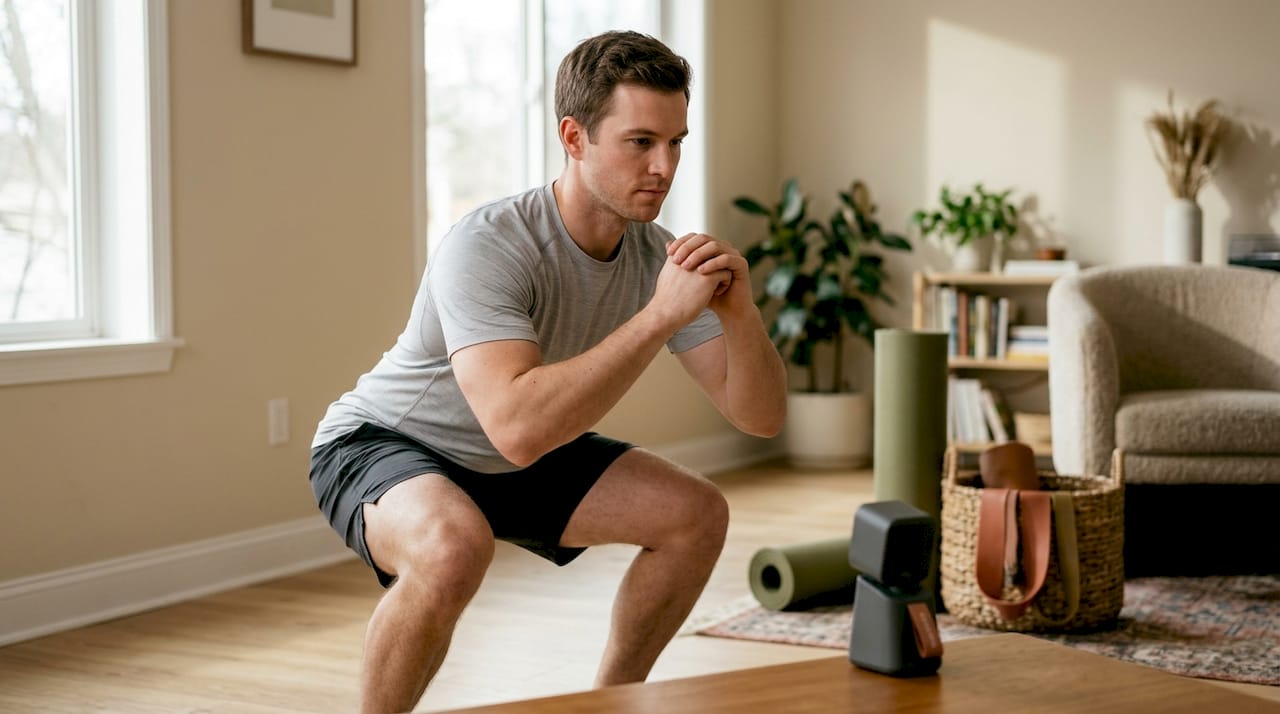
Real-time AI and camera-based form tracking is the standout feature in premium systems. Advanced AI tools use multi-point skeletal tracking with up to 17 points to monitor your biomechanics during every rep. That level of detail catches a collapsing knee or a forward-leaning torso before it becomes an injury.
Resistance and load measurement separates serious tools from basic fitness trackers. Velocity-based training (VBT) devices measure bar speed in real time, giving you fatigue data that a rep counter never could. GymAware software, for example, provides velocity targets, fatigue assessments, and one-rep-max estimates that integrate with athlete management systems for comprehensive performance tracking.
Software adaptability matters more than most buyers realize. Tools that use dynamic double progression algorithms adjust your loads and reps based on performance trends, not just a fixed schedule. This is where mobile apps and self-hosted platforms close the gap with expensive hardware.
Subscription costs and installation are practical filters that cut the list fast. A tool that requires a dedicated wall mount and a $49/month subscription is a poor fit for a renter with a spare bedroom gym.
- Real-time form feedback (AI or camera-based)
- Load and velocity measurement
- Progression algorithm software
- Subscription cost and total ownership cost
- Space and installation requirements
Pro Tip: Before buying, calculate the total cost over three years. Hardware plus subscriptions often tells a very different story than the sticker price alone.
2. Top categories of home gym analytics tools and how they differ
Home gym analytics tools fall into four distinct categories. Each serves a different type of athlete, budget, and space.
AI-integrated smart gym equipment sits at the top of the market in both features and price. These all-in-one systems combine digital resistance, cameras, and coaching software in a single unit. Professional-grade systems range from roughly $2,995 to over $6,300 upfront, with monthly subscriptions reaching $60. The convenience is real, but so is the long-term cost.
Velocity-based training (VBT) devices are the tool of choice for serious strength athletes. A VBT device clips to the barbell and measures bar speed on every rep. GymAware is the benchmark in this category, used by professional sports teams and serious home lifters alike. VBT data reveals fatigue patterns that no rep counter can detect, making it the most data-rich option for powerlifters and Olympic lifters.
Camera-based systems provide form correction and 3D skeletal tracking without requiring proprietary resistance hardware. Camera-based AI form correction works best for solo lifters who train without a spotter, offering injury prevention that basic posture reminders cannot match. The tradeoff is that accuracy depends heavily on your room setup.
Mobile and self-hosted software applications track progress without any specialized hardware. Apps like JEFIT, which has over 10 million users, use strength trend tracking and progression algorithms to keep training structured. Self-hosted platforms give you full data ownership and zero subscription fees, but they require technical setup skills.
| Category | Best for | Typical cost | Subscription required |
|---|---|---|---|
| AI smart gym equipment | All-in-one convenience seekers | $2,995–$6,300+ | Yes, up to $60/month |
| VBT devices | Strength and power athletes | Varies by device | Optional |
| Camera-based systems | Solo lifters needing form feedback | Mid-range | Often yes |
| Mobile/self-hosted apps | Budget-conscious or tech-savvy users | Low to free | No |
3. How to choose the right workout monitoring solution for your setup
Choosing the right tool starts with an honest look at your gym space, your training style, and your budget over time, not just at purchase.
Match tool complexity to your actual routine. A beginner running three full-body sessions per week does not need a VBT device. A mobile app with a solid progression algorithm delivers more consistent results because it fits naturally into a simple routine. Consistent daily integration matters more than feature count. The best tool is the one you actually use every session.
Budget for the full picture. Total cost of ownership for premium smart gyms can exceed $12,000 over 10 years when subscriptions are factored in. That figure puts the value of subscription-free alternatives in sharp relief. If you dislike recurring fees, prioritize platforms that offer one-time purchases or self-hosted options.
Consider your technical aptitude. Self-hosted solutions give you data ownership and no monthly fees, but they require managing server environments or tools like Raspberry Pi. If that sounds like a weekend project you would enjoy, the savings are significant. If it sounds like a headache, a well-designed mobile app is the smarter pick.
Situational recommendations by profile:
- Renters or small-space users: Mobile apps or compact VBT devices. Avoid wall-mounted systems.
- Beginners: App-based tracking with progression algorithms. Low cost, low friction.
- Intermediate lifters: Camera-based form feedback combined with a tracking app.
- Advanced or competitive lifters: VBT devices for bar speed data and fatigue monitoring.
Pro Tip: Test any app or software for 30 days before committing to hardware. If you do not use the software consistently, the hardware will not save the habit.
4. Common challenges and best practices for home gym monitoring tools
Even the best exercise progress trackers underperform when setup and habits are wrong. These are the most common failure points and how to fix them.
-
Poor lighting ruins camera accuracy. Lighting and camera placement critically affect AI-based form feedback. Dim rooms and backlit windows cause false negatives and inconsistent data. Use diffused overhead lighting and position the camera at a 90-degree angle to your movement plane.
-
Subscription traps inflate total cost. Many gym owners regret premium hardware tied to mandatory subscriptions. Read the cancellation terms before you buy. Some systems lock features behind the subscription even after you own the hardware outright.
-
Sensor drift and calibration issues. VBT devices and load cells need periodic recalibration. Check manufacturer guidelines for calibration intervals and keep firmware updated to maintain measurement accuracy.
-
Inconsistent data entry kills trend analysis. Skipping sessions in your tracking app breaks the progression algorithm's ability to make accurate load recommendations. Log every session, even the bad ones.
-
Misreading the data. A single session's metrics mean little. Look at four-week trends in velocity, volume, and body composition together. A fitness tracking workflow that reviews weekly averages gives you far more signal than daily fluctuations.
5. Emerging innovations in home fitness metrics and monitoring
The next wave of home gym performance monitoring is already arriving, and it closes the gap between home setups and professional facilities.
- Force-plate technology is moving from sports labs into home gyms. Portable force plates now measure ground reaction force, jump height, and left-right asymmetry. Asymmetry data is particularly valuable for injury prevention and rehabilitation tracking.
- Body composition integration links workout performance data with metrics like body fat percentage, muscle mass, and BMI. Tools like the Uvirello Smart Electronic Weight Scale, rated 4.8 out of 5 by over 12,000 users, feed body composition data directly into a fitness tracking picture that goes beyond reps and sets.
- Adaptive AI coaching is shifting from fixed programs to workouts that adjust in real time based on your readiness, recovery, and velocity data. This removes the guesswork from periodization for home athletes.
- Self-hosted and open-source platforms are growing in sophistication. As these tools mature, they offer professional-level analytics at zero recurring cost for users willing to manage the setup.
- Cost reductions across the board are making mid-tier tools more capable. Features that required a $6,000 system two years ago now appear in sub-$500 devices.
Key Takeaways
The most effective home gym monitoring setup combines accurate body composition data, consistent software use, and a cost structure you can sustain for years.
| Point | Details |
|---|---|
| Match tool to routine | A simpler tool used every session beats a feature-rich one used twice a month. |
| Calculate total cost | Subscriptions can push 10-year costs past $12,000 on premium smart gym systems. |
| Prioritize form feedback | Camera-based AI with skeletal tracking prevents injury better than basic posture alerts. |
| Track body composition | Pairing workout data with metrics like body fat and BMI gives a complete performance picture. |
| Avoid ecosystem lock-in | Choose platforms with subscription-free options or self-hosted alternatives when possible. |
Why I think most home gym owners are buying the wrong tools
The fitness tech market is very good at selling complexity. Walk into any online forum and you will find lifters debating VBT devices and 3D skeletal tracking systems while their actual training logs are a mess of inconsistent entries and skipped weeks.
The inconvenient truth is that the monitoring tool most people need costs almost nothing. A well-structured mobile app with a progression algorithm and a reliable body composition scale covers 90% of what matters for the vast majority of home gym owners. The data you actually review and act on is worth infinitely more than the data sitting unused in a $4,000 machine.
I have seen this pattern repeatedly. Someone invests in a premium all-in-one system, uses it intensely for six weeks, then the subscription feels like a burden and the sessions get shorter. The hardware becomes furniture. A $30 app and a quality scale would have served them better because those tools fit into real life without friction.
That said, if you are a competitive powerlifter or a serious strength athlete, VBT data is genuinely irreplaceable. Bar speed tells you things that no rep count ever will. For that audience, the investment is justified. For everyone else, start simple, track consistently, and add complexity only when you have outgrown what you have.
— Jacob
Uvirello and your home gym performance picture
Tracking your lifts is only half the equation. Body composition data, specifically body fat percentage, muscle mass, and BMI, completes the picture that workout logs alone cannot provide.
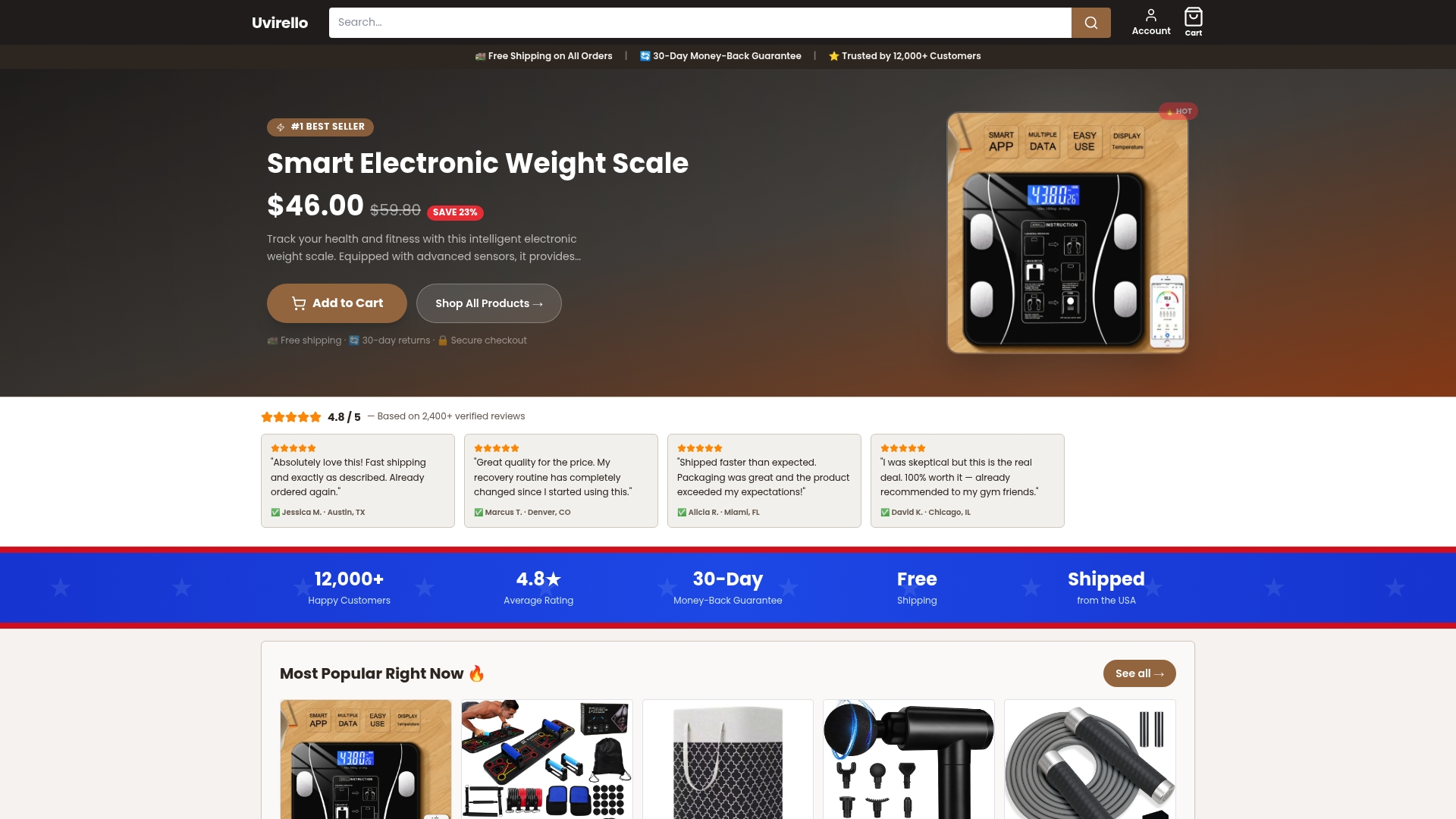
The Uvirello Smart Electronic Weight Scale delivers high-precision body composition metrics in a design that fits any home gym setup. With over 12,000 verified customer reviews and a 4.8 out of 5 average rating, it is one of the most trusted fitness tracking devices available for home use. Pairing Uvirello's scale data with your workout monitoring software gives you a full view of how training is actually changing your body, not just your numbers on the bar. Visit Uvirello's fitness tools to see how it fits your current setup.
FAQ
What are performance monitoring tools for home gyms?
Performance monitoring tools for home gyms are devices and software that track workout metrics like load, velocity, form, and body composition to help you measure and improve training results over time.
How much do home gym monitoring tools cost?
Costs range from free mobile apps to over $6,300 for AI-integrated smart gym hardware, with premium systems adding subscriptions up to $60 per month that can push total 10-year costs past $12,000.
Do I need a subscription for home gym performance tracking?
No. Mobile apps, self-hosted platforms, and VBT devices offer subscription-free options. Subscription-free tools are strongly recommended for anyone who dislikes recurring fees or ecosystem lock-in.
How does AI form tracking work in home gym tools?
AI form tracking uses cameras and skeletal mapping, sometimes up to 17 body points, to analyze your movement in real time and flag technique errors that could lead to injury.
What is the most overlooked home gym tracking metric?
Body composition, specifically body fat percentage and muscle mass, is the metric most home gym owners ignore. Tracking it alongside workout performance data reveals whether training is producing real physical change.