
Nutrition tracking is the practice of systematically recording food intake to support informed decisions about diet and weight management. The role of nutrition tracking alongside weight monitoring is not a secondary habit. It is the single strongest behavioral predictor of sustained weight loss, with a pooled odds ratio of 2.34 at 12 months. Combining dietary self-monitoring with structured physical activity pushes average weight loss from 5.7 kg to 7.4 kg over the same period. That gap is not trivial. It represents the difference between a plateau and real, measurable progress.
How does nutrition tracking influence weight management outcomes?
Dietary self-monitoring, the clinical term for nutrition tracking, works through two mechanisms: behavioral awareness and accountability. When you log what you eat, you convert vague impressions into hard data. Most people dramatically underestimate how much they consume until they see the numbers written down.
The research on this is direct. Daily food logging leads to twice as much weight loss compared to no tracking at all. Logging reveals hidden calorie sources, nutrient gaps, and behavioral patterns like skipping breakfast and compensating later. These patterns are invisible to casual observation but obvious in a log.

Adherence frequency matters more than perfect accuracy. High-adherence users of mobile health apps achieve an average of 7.0 kg weight loss compared to negligible results from low-engagement users. Sustained tracking adherence at 12 months ranges from 78% to 95% in validated trials. That range tells you something important: people who stay consistent get results, regardless of whether every entry is perfect.
Key behavioral effects of consistent tracking include:
- Pattern recognition: Logging surfaces eating triggers like stress, boredom, or specific times of day.
- Real-time feedback: Seeing intake data mid-day allows course corrections before overeating compounds.
- Goal anchoring: A written record keeps daily targets visible and reduces reliance on memory.
- Objective progress assessment: Data replaces emotional self-evaluation, which tends to be unreliable.
Behavioral scientists classify tracking as a "keystone habit." A keystone habit is one that triggers positive changes in other unrelated behaviors. When people start logging food, they often start sleeping better, exercising more, and making fewer impulsive food choices. The tracking itself reshapes the surrounding behavior.
What factors affect the effectiveness of nutrition tracking alongside weight tracking?
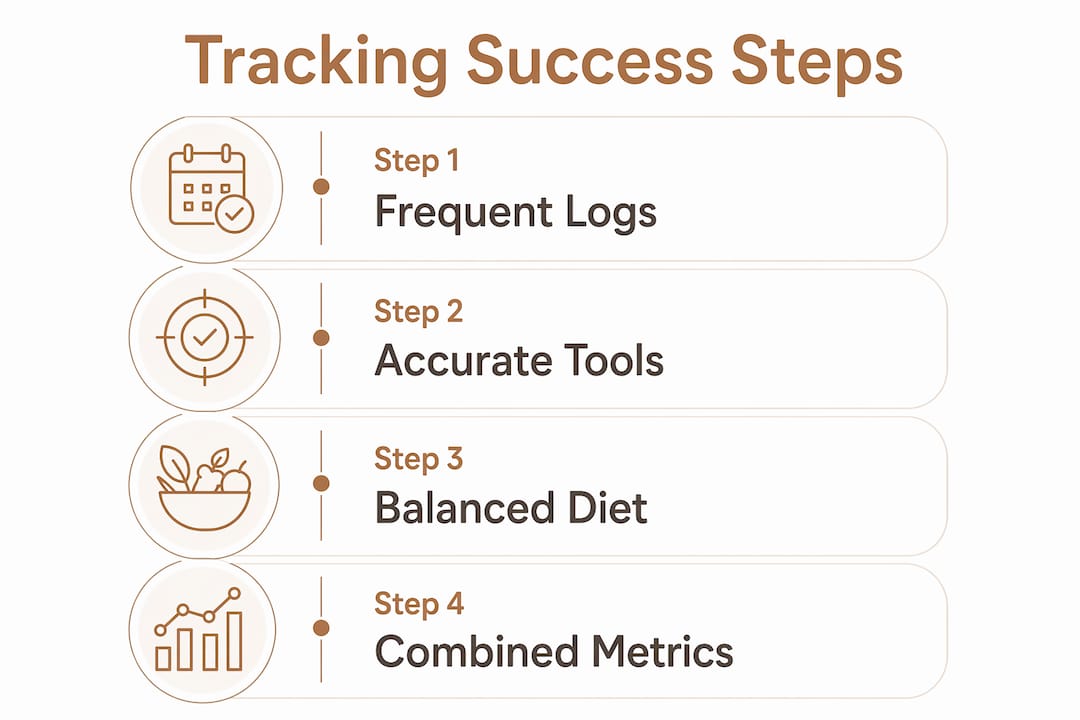
Adherence frequency is the dominant factor in tracking success. Tracking even 2–3 times per day outperforms sporadic but highly detailed logging sessions. Flexible, lower-effort habits sustain longer than rigid, high-effort ones. This is a counterintuitive finding for people who believe more detail always means better results.
Tool accuracy is the second major factor. Accuracy-validated tracking tools amplify adherence effectiveness by approximately 1.7x compared to unvalidated alternatives. Only a small share of consumer apps currently meet peer-reviewed accuracy standards. Choosing a validated tool is not a minor preference. It is a measurable performance multiplier.
Pro Tip: Pick one tracking method and use it consistently for at least three weeks before evaluating results. Switching tools mid-habit resets your learning curve and breaks the data continuity you need to spot trends.
Common factors that undermine tracking effectiveness include:
- Tracking fatigue: Logging every meal in exhaustive detail burns out most people within weeks. Simpler, faster methods sustain longer.
- Portion distortion: Many people underestimate calorie intake due to inaccurate portion estimation. Using a digital kitchen scale for even one week recalibrates your visual judgment significantly.
- Inconsistent timing: Logging after the fact from memory introduces errors that compound over time. Logging at the point of eating is more accurate.
- Ignoring weight trends: Weighing yourself once and reacting to a single number creates anxiety without insight. Tracking weight alongside nutrition over weeks reveals the actual trend.
The CDC recommends tracking as a tool to balance food and activity for lasting healthy habits. The emphasis is on balance, not perfection. Sustainable tracking routines, even imperfect ones, outperform intensive but short-lived efforts. This is the nuance most people miss when they abandon tracking after a difficult week.
Pairing nutrition data with body composition tracking adds another layer of insight. Weight alone does not distinguish between fat loss and muscle gain. A person who loses fat and gains muscle may see little change on the scale while their body is improving significantly.
How can you integrate nutrition tracking with weight measurements?
Combining food logs with regular weight measurements creates a feedback loop that neither method produces alone. The nutrition log explains why the scale moves. The scale confirms whether dietary changes are producing the expected result.
A practical integration approach works like this:
- Set a weekly weigh-in schedule. Weigh yourself at the same time each day, ideally in the morning before eating. Record the reading and calculate a weekly average rather than reacting to daily fluctuations.
- Log meals at the point of eating. Use a validated app or a simple notebook. Capture the meal, approximate portion, and time. Speed matters more than completeness at this stage.
- Review weekly, not daily. Compare your average weekly weight against your average daily calorie intake for that week. This pairing reveals whether your intake estimate matches your actual energy balance.
- Identify one pattern per week. Look for a single behavioral insight, such as consistently eating more on weekends or skipping lunch and overeating at dinner. Address one pattern at a time.
- Adjust targets every four weeks. As weight changes, calorie needs shift. Recalibrate your targets monthly to avoid plateaus caused by outdated goals.
Pro Tip: Treat your first two weeks of tracking as a data collection phase, not a performance phase. The goal is to see what you actually eat, not to eat perfectly. Honest data is more useful than optimistic data.
Tracking trends over time consistently outperforms reacting to single readings. A one-day spike in weight after a high-sodium meal means nothing in isolation. That same spike, viewed against two weeks of nutrition data, tells you exactly what caused it and whether it requires any response.
The role of diet in weight management is most visible when you can see both variables moving together. Technology makes this integration practical. Many current health platforms allow food and weight data to sync automatically, reducing the manual effort that causes most people to quit.
What are common misconceptions about nutrition tracking and weight management?
The biggest misconception is that nutrition tracking means permanent calorie counting. It does not. Tracking works best as an educational tool that teaches portion sizes and reveals nutrient gaps. Once you internalize those lessons, you need far less active logging to maintain awareness.
A second misconception is that weight alone measures progress. It does not. Weight is one data point. Body fat percentage, muscle mass, and energy levels tell a more complete story. Someone who tracks only weight and ignores body composition often quits when the scale stalls, even when their health is improving.
Common pitfalls that derail tracking efforts include:
- Treating a missed day as failure. One skipped log does not erase progress. Resuming the next meal is always the right move.
- Logging only "good" days. Selective tracking produces biased data. The days you least want to log are often the most informative.
- Obsessing over single numbers. Fixating on a daily calorie total or a single weigh-in reading creates anxiety without producing useful information.
- Ignoring emotional triggers. Behavioral research shows tracking fails when used as static calorie counting rather than a tool to identify emotional eating patterns and behavioral triggers.
The goal of tracking is not to achieve a perfect log. The goal is to build enough awareness to make better decisions automatically over time. That shift from conscious effort to automatic behavior is what makes tracking a long-term asset rather than a short-term chore.
Key Takeaways
Nutrition tracking is the strongest behavioral predictor of sustained weight loss, and combining it with accurate weight monitoring produces measurably better outcomes than either method alone.
| Point | Details |
|---|---|
| Tracking frequency beats perfection | Logging 2–3 times daily outperforms sporadic but detailed sessions for weight loss outcomes. |
| Validated tools multiply results | Accuracy-validated tracking tools increase adherence effectiveness by approximately 1.7x. |
| Weight and nutrition data work together | Pairing food logs with weekly weight averages reveals the cause-and-effect relationship driving progress. |
| Tracking is a temporary teacher | Use tracking to learn portion sizes and patterns, not as a permanent calorie-counting obligation. |
| Emotional triggers require attention | Identifying behavioral triggers like stress eating produces more lasting change than calorie math alone. |
Why I think most people are using nutrition tracking wrong
Most people approach nutrition tracking as an accounting exercise. They count calories, hit a number, and call it a win. That framing misses the actual value entirely.
The real power of tracking is diagnostic. When I look at someone's food log, I am not checking whether they hit 1,800 calories. I am looking for the pattern that explains why their weight is not moving. It is almost always something they had not noticed: a liquid calorie habit, a late-night eating window, or a weekend intake that erases five days of discipline.
The research backs this up. Tracking fails when it is treated as static calorie counting. It works when it surfaces the specific behavioral triggers causing overeating. That distinction changes everything about how you approach the habit.
My honest advice: track for six weeks with the goal of learning, not performing. Log honestly, including the meals you regret. Review weekly and look for one pattern. Fix that pattern. Then look for the next one. That process, repeated consistently, produces results that no single diet plan can match.
The other thing I have seen consistently: people who pair nutrition tracking with body composition data stay motivated longer. When the scale stalls, seeing that body fat percentage is dropping keeps them going. Weight alone is a poor motivator because it fluctuates for reasons that have nothing to do with fat loss.
— Jacob
Uvirello and the data behind your progress
Accurate weight data is the foundation that makes nutrition tracking meaningful. Without reliable measurements, even a well-maintained food log loses its reference point.
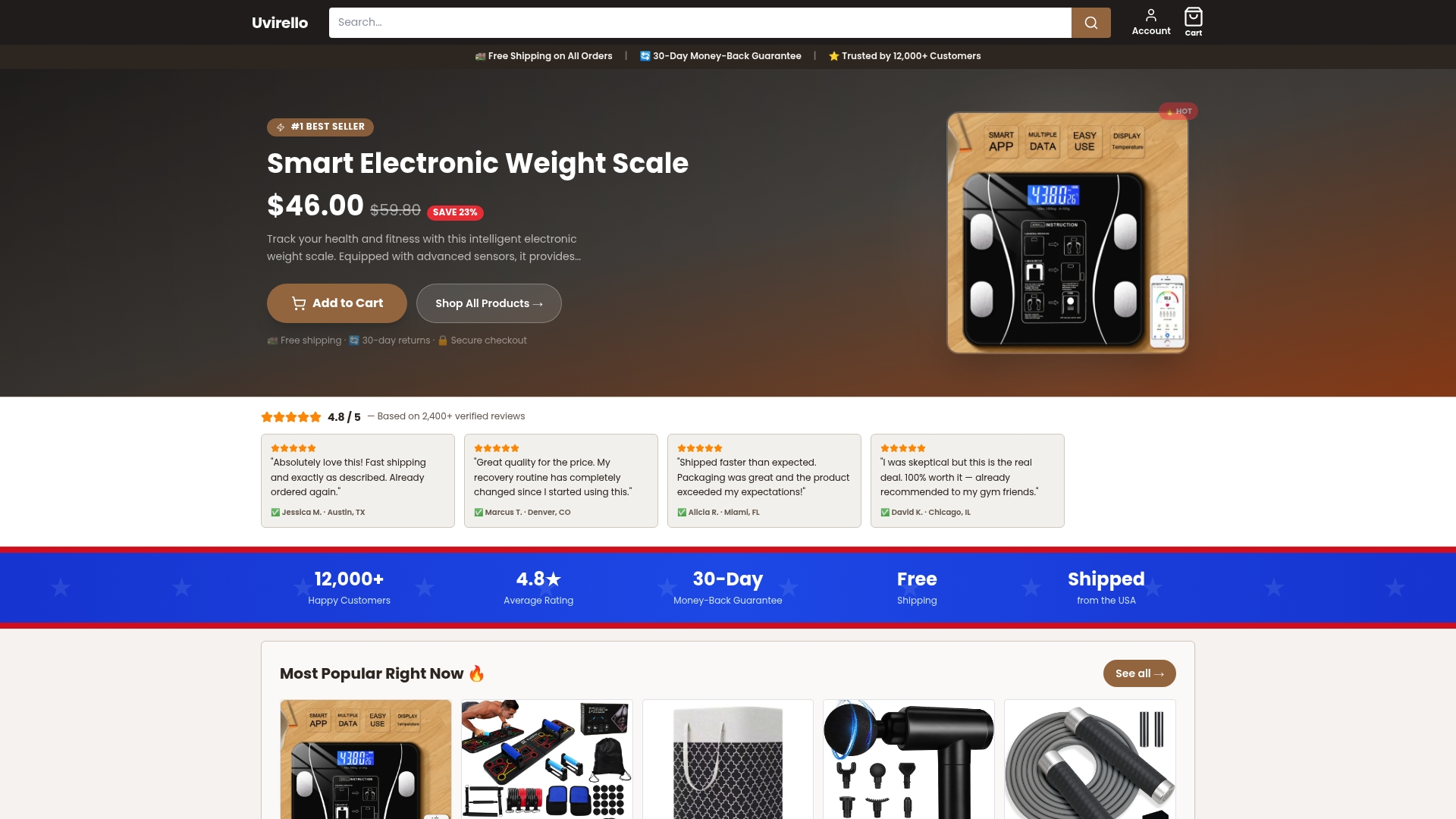
The Uvirello Smart Electronic Weight Scale goes beyond basic weight readings by delivering body composition metrics including body fat percentage and BMI. Those numbers give your nutrition log the context it needs. When your food data shows a calorie deficit and your Uvirello reading confirms a drop in body fat percentage, you have real evidence that your approach is working. Over 12,000 customers have rated Uvirello at 4.8 out of 5, reflecting consistent satisfaction with its accuracy and ease of use. Pair it with your nutrition tracking habit and you will have the complete picture that drives lasting results.
FAQ
What is the role of nutrition tracking alongside weight monitoring?
Nutrition tracking explains why weight changes, while weight monitoring confirms whether dietary adjustments are producing results. Together, they create a feedback loop that neither method produces alone.
Is nutrition tracking effective for long-term weight loss?
Yes. Dietary self-monitoring is the single strongest behavioral predictor of sustained weight loss, with a pooled odds ratio of 2.34 at 12 months in clinical research.
How often should you track food intake for weight management?
Tracking 2–3 times per day is more effective than sporadic, detailed logging. Consistency in frequency predicts success more reliably than the completeness of any single entry.
Does tracking calories alone guarantee weight loss?
No. Calorie tracking is most effective when used to identify behavioral patterns and nutrient gaps, not as a permanent accounting system. Emotional triggers and portion accuracy matter as much as the calorie total.
Why does body composition matter alongside weight tracking?
Weight alone does not distinguish between fat loss and muscle gain. Tracking body fat percentage alongside weight gives a more accurate picture of whether your nutrition and fitness habits are producing the right kind of change.