
Health awareness is defined as the active understanding and management of your physical and mental well-being to sustain effective job performance. Professionals who track their health metrics, recognize early warning signs, and engage with preventive care consistently outperform those who treat health as an afterthought. The evidence is clear: why health awareness improves work performance comes down to fewer sick days, sharper focus, and better decisions made by people who know their bodies. Research from health literacy programs, McKinsey Health Institute, and CIPD all point to the same conclusion. Managing your health proactively is a professional skill, not a personal luxury.
Why health awareness improves work performance through preventive care
Preventive health practices reduce the two biggest hidden drains on productivity: absenteeism and presenteeism. Absenteeism is straightforward. Presenteeism is more damaging and harder to see. Presenteeism costs more than absenteeism because working while unwell produces more errors and lower output than simply staying home.
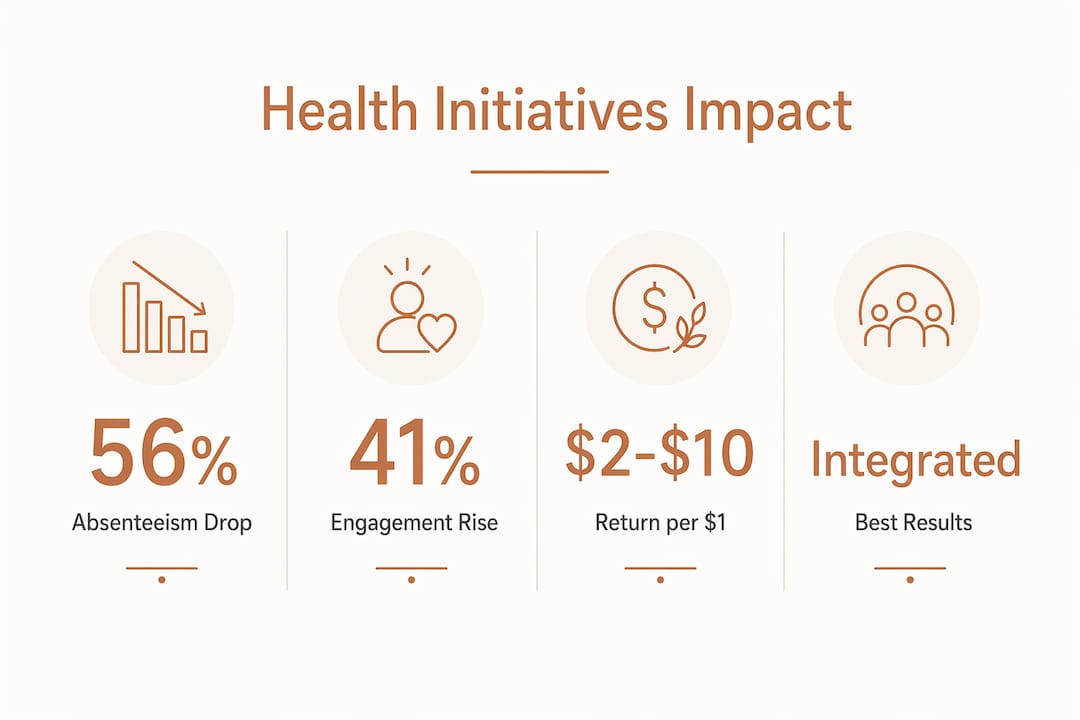
Health literacy training delivers measurable results. One Kansas-based program found that health literacy reduced absenteeism by 56%, unnecessary doctor visits by 46%, and emergency visits by 55%. Those numbers represent real workdays recovered and real cognitive bandwidth returned to the job.
The financial case is equally strong. Each $1 invested in preventive care yields between $2 and $10 in return by avoiding costly emergency treatment. For professionals, this translates directly: fewer health crises mean fewer disruptions to project timelines, client relationships, and career momentum.
Early intervention is the mechanism that makes this work. Professionals who catch a sleep deficit, a blood pressure trend, or a stress pattern before it becomes a crisis stay in the game. Those who ignore signals until they collapse lose weeks, not days.
Pro Tip: Set a monthly calendar reminder to review two or three baseline health metrics: resting heart rate, sleep duration, and body weight. Catching a negative trend early costs you 10 minutes. Ignoring it can cost you a week of sick leave.
- Schedule annual preventive screenings, not just sick visits
- Track energy levels weekly to spot patterns before they become problems
- Use your employer's health benefits proactively, not reactively
- Communicate early with managers when health is affecting output
Which workplace health initiatives have the strongest impact?
Not all wellness programs deliver the same return. Standalone initiatives, a single yoga class or a one-time nutrition seminar, produce short-term engagement but rarely change behavior. Integrated workplace health interventions that combine sleep education, mental health support, and physical activity programs deliver cumulative benefits that isolated programs cannot match.
McKinsey Health Institute research across multiple countries confirms that workforce well-being managed as a system generates sustained performance improvements. The key word is system. One intervention supports another. Better sleep improves stress tolerance. Lower stress improves diet choices. Better diet sustains energy for physical activity.
| Initiative type | Approach | Performance impact |
|---|---|---|
| Sleep hygiene education | Workshops plus protected rest policies | Reduces cognitive errors and fatigue-driven decisions |
| Mental health support | EAP access, counseling, and manager training | Lowers burnout rates and improves team communication |
| Physical activity programs | On-site fitness, walking meetings, and step challenges | Increases energy, focus, and mood stability |
| Nutrition guidance | Meal planning resources and healthy cafeteria options | Sustains afternoon energy and reduces sick days |
| Integrated programs | All of the above combined with data tracking | Produces compounding gains across all performance metrics |
The table above shows a clear pattern. Integrated programs outperform every single-focus initiative because the human body does not operate in silos. Health awareness in the workplace means recognizing that sleep, movement, nutrition, and mental health are all connected to the same output: your ability to do your job well.
Health literacy initiatives also increase employee engagement with corporate health programs by about 41%. Higher engagement means better ROI on benefits spending and a workforce that actually uses the resources available to them.
How does self-awareness affect focus and decision-making at work?
Self-awareness is the professional's most underrated cognitive tool. Self-awareness improves job performance by strengthening emotional intelligence, improving interpersonal dynamics, and making professionals more receptive to feedback. These are not soft skills. They are the mechanics of effective collaboration, sound judgment, and career advancement.
Mental health awareness reduces burnout before it becomes a breakdown. Professionals who recognize their stress signals, whether that is irritability, poor sleep, or declining motivation, can intervene before those signals compound into a full performance collapse. Employees with better health report higher work innovation and more sustainable work-life balance, which feeds directly into long-term output quality.

The impact of health on productivity runs through the brain as much as the body. Chronic stress impairs prefrontal cortex function, the part of the brain responsible for planning, prioritizing, and making good calls under pressure. A professional who manages stress actively thinks more clearly than one who simply endures it.
Practical mental health strategies that improve focus and performance include:
- Practice a five-minute mindfulness check-in before high-stakes meetings
- Set clear work boundaries to protect recovery time outside office hours
- Use journaling or structured reflection to process workplace stress weekly
- Request regular feedback to calibrate self-perception against actual performance
- Build in deliberate breaks every 90 minutes to prevent decision fatigue
Practical ways to boost health awareness and sustain peak performance
The starting point for any professional is establishing a health baseline. Without individual health baselines, progress through health initiatives feels intangible and frustrating. You cannot improve what you do not measure.
Here is a practical framework for building health awareness into your professional routine:
- Measure your baseline metrics. Track body weight, body fat percentage, BMI, resting heart rate, and sleep duration. Tools like the Uvirello Smart Electronic Weight Scale give you body composition data beyond a simple number on the scale, including body fat percentage and BMI in one reading.
- Use digital health tools consistently. Apps and IoT-based health tracking devices make it easier to spot trends over weeks and months rather than reacting to single bad days.
- Build movement into your workday. A desk job fitness routine does not require a gym. Ten-minute walks, standing desk intervals, and stair use all reduce the physical toll of sedentary work.
- Plan meals to protect afternoon energy. Blood sugar crashes after lunch are a direct cause of the 2 p.m. productivity slump. High-protein, low-glycemic meals sustain focus through the afternoon without the crash.
- Treat stress management as a scheduled task. Block 15 minutes daily for a walk, breathing exercise, or screen-free break. Unscheduled recovery rarely happens in a packed calendar.
Pro Tip: Review your desk job health risks at least once a year. Sedentary work creates specific chronic risks, including back problems, cardiovascular strain, and metabolic slowdown, that health awareness can catch and counter before they affect your output.
Institutional trust matters here too. Professionals engage with health programs when they feel those programs support rather than surveil them. Choose tools and programs that put your data in your hands, not your employer's dashboard.
Key takeaways
Health awareness is the most direct lever professionals have for protecting and improving their work output over the long term.
| Point | Details |
|---|---|
| Preventive care cuts absenteeism | Health literacy training reduces missed workdays by 56%, recovering real time and focus. |
| Presenteeism is the bigger cost | Working while unwell produces more errors than staying home, making early intervention critical. |
| Integrated programs outperform single initiatives | Combining sleep, mental health, and fitness interventions creates compounding performance gains. |
| Self-awareness sharpens decisions | Professionals who monitor their mental state make better calls and recover faster from setbacks. |
| Baselines make progress visible | Tracking body composition, sleep, and energy turns vague wellness goals into measurable outcomes. |
Health awareness is a performance strategy, not a wellness trend
Most professionals treat health as something to address when it breaks down. That is the wrong model. After years of observing high-performing teams in demanding environments, the pattern is consistent: the people who sustain output over years are the ones who treat their health like a professional asset, not a personal matter to handle on weekends.
The common misconception is that wellness programs are for people who are already struggling. The reality is the opposite. Professionals at the top of their game use health awareness to stay there. They track their metrics, they know their stress signals, and they intervene early. They do not wait for a doctor's appointment to tell them something is wrong.
High-stress environments are where this matters most. When deadlines compress and pressure mounts, the professionals who have built physical and mental reserves outperform those running on empty. Sleep, nutrition, and movement are not rewards for finishing work. They are the inputs that make the work possible.
The research from McKinsey and CIPD confirms what experience shows: health awareness transforms workplace culture from reactive crisis management to proactive support. That shift does not happen by accident. It starts with individual professionals deciding to take their health as seriously as their career.
— Jacob
How Uvirello helps you track health and perform at your best
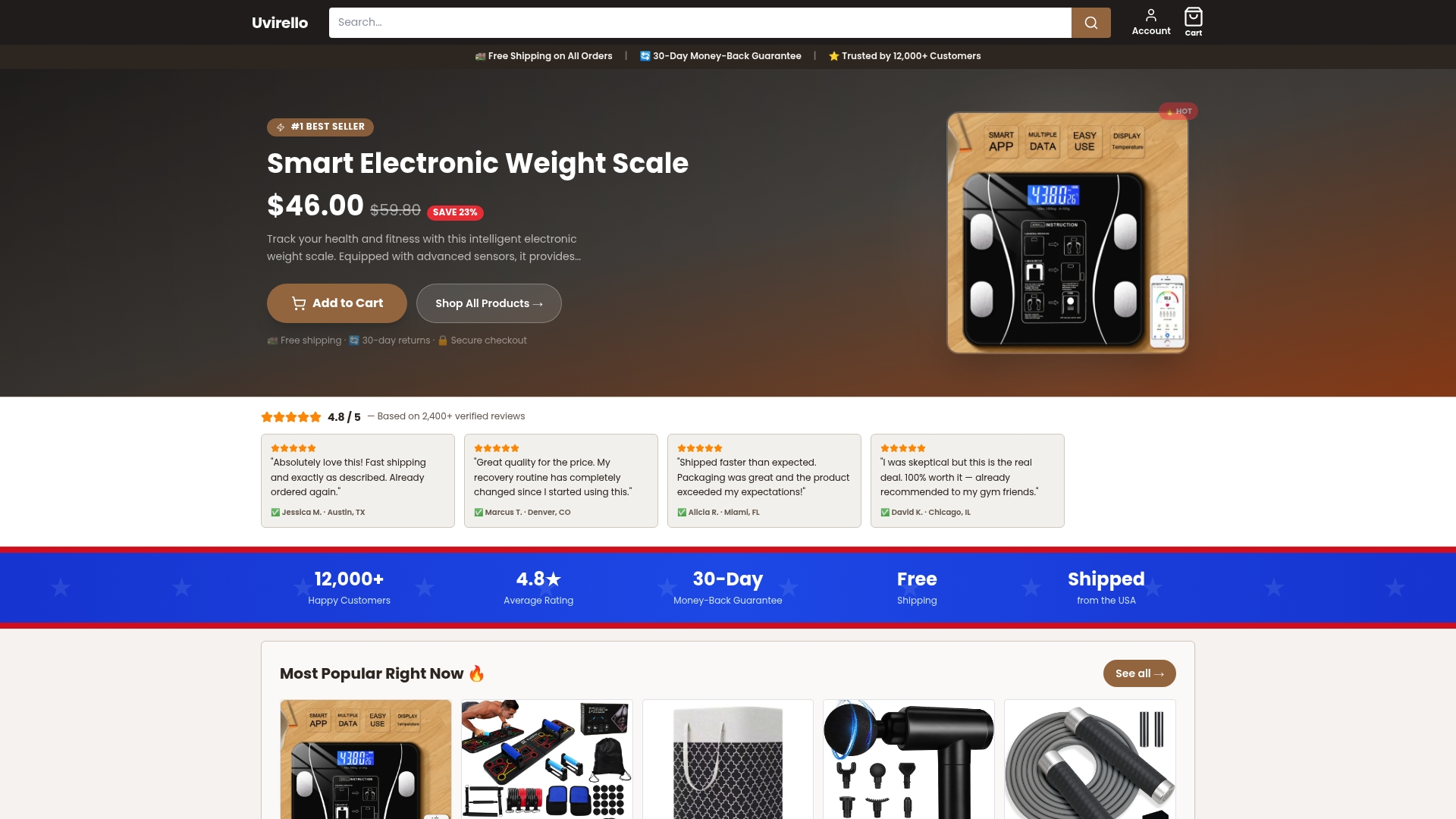
Uvirello builds tools for professionals who take their health seriously. The Uvirello Smart Electronic Weight Scale goes beyond body weight to deliver body fat percentage and BMI readings with high-precision sensors, giving you the baseline data that makes health tracking meaningful. Over 12,000 customers rate it 4.8 out of 5, and users consistently report that having clear body composition data changes how they approach their fitness and energy management. If you are ready to build a health baseline that supports your performance at work, start with Uvirello and see what tracking the right metrics actually looks like.
FAQ
What is health awareness in the workplace?
Health awareness in the workplace is the practice of actively understanding and managing physical and mental well-being to maintain consistent job performance. It includes health literacy, preventive care habits, and engagement with employer wellness programs.
How does health awareness reduce absenteeism?
Health literacy training reduces missed workdays by 56% by helping employees recognize symptoms early and seek appropriate care before conditions worsen. Fewer health crises mean fewer unplanned absences.
Why does presenteeism cost more than absenteeism?
Presenteeism costs more because employees working while unwell produce lower-quality output and make more errors than they would if they stayed home to recover. The productivity loss is hidden but measurable.
Which health initiatives have the strongest impact on performance?
Integrated programs combining sleep education, mental health support, and physical activity deliver the strongest results. McKinsey Health Institute research confirms that combined interventions produce compounding benefits that standalone programs cannot replicate.
How can I start improving my health awareness today?
Establish a baseline by measuring body weight, body fat percentage, BMI, and sleep duration. Use a body composition scale like the Uvirello Smart Electronic Weight Scale to get accurate starting data, then track trends weekly to catch problems before they affect your work.