
Why home health tools empower professionals: the core answer
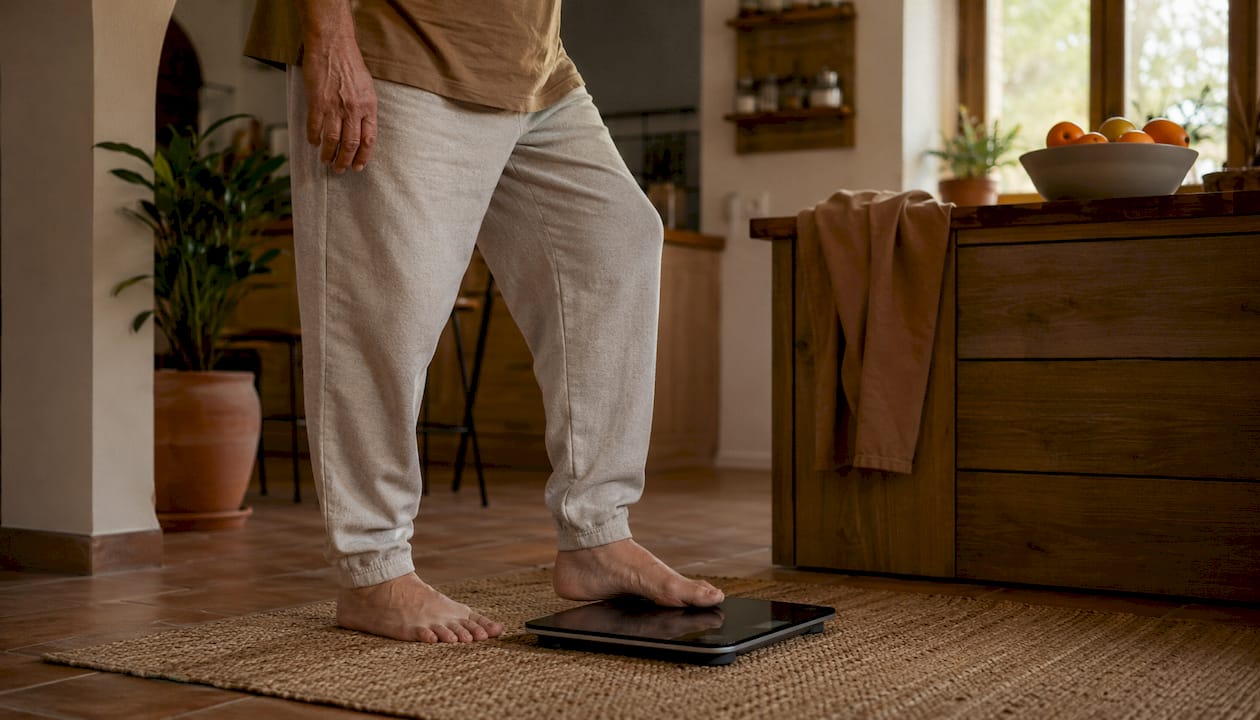
Home health tools give professionals back something they rarely have enough of: time with patients. The clearest evidence comes from smart care platform research showing a 38% reduction in annual administrative costs tied to billing and care rescheduling. That is not a marginal gain. It is hours per clinician per week redirected from paperwork to actual care.
Three forces drive this shift:
- Administrative relief. AI documentation tools reduce the documentation burden that drives clinician burnout, Technology reduces documentation burden for home health professionals, decreasing burnout rates among clinician users of ambient AI documentation tools.
- Real-time data access. Remote patient monitoring gives clinicians continuous visibility into patient health, enabling earlier intervention and fewer avoidable hospitalizations.
- Human-in-the-loop augmentation. Technology organizes data and drafts documentation, but the clinician remains accountable for every decision. The tool supports judgment; it does not replace it.
This balance between efficiency and clinical accountability is what separates genuinely useful health technology from tools that just add noise.
What are the biggest benefits home health tools deliver?
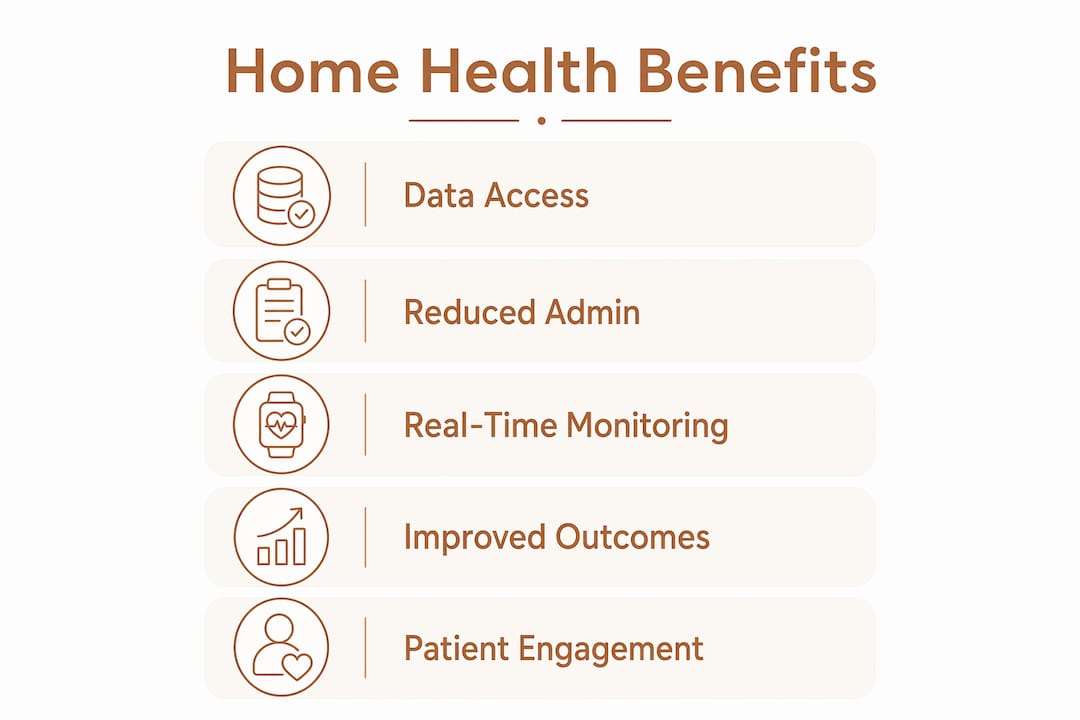
The benefits of home health tools reach well beyond cutting paperwork. Here is where professionals see the most concrete gains:
- Expanded patient reach. Remote monitoring lets clinicians track patients across geographic distances, which matters especially in rural areas where in-person visits are costly and infrequent.
- Better decisions, faster. Continuous data streams from wearables and monitoring devices surface trends a weekly check-in would miss entirely.
- Person-centered care. Digital tools support patient autonomy by letting patients share their own health data and participate actively in managing their conditions, with professionals as partners rather than gatekeepers.
- Reduced burnout. Workflow automation handles scheduling, billing, and routine documentation, freeing clinicians to focus on the work that drew them to healthcare.
- Operational efficiency. Analyzing health trends across a patient panel becomes practical when data is centralized and accessible from a mobile device.
The home health technology advantages here are cumulative. Each benefit reinforces the others: less administrative friction means more patient time, which improves engagement, which improves outcomes.
What challenges come with adopting home health tools?
No technology adoption is frictionless, and home health is no exception. Professionals face real obstacles that deserve honest attention.
- Usability and integration. Tools that require toggling between multiple systems increase clinician stress rather than reducing it. Successful adoption depends on user-centered design and tight integration with existing electronic health records.
- Privacy and data security. Patient data transmitted through remote monitoring devices must meet HIPAA standards. Clinicians and organizations share responsibility for ensuring that data handling is secure and transparent. For a deeper look at this, data privacy in health tracking covers the key considerations.
- Training gaps. New tools require new skills. Without structured onboarding, even well-designed technology sits unused or gets used incorrectly.
- Over-reliance risk. AI tools can draft documentation and flag patterns, but clinicians must validate every output. The moment a professional stops thinking critically and simply signs off on AI-generated notes, the quality of care records degrades.
- Ethical considerations. Surveillance technologies used in home settings raise questions about patient autonomy and informed consent, particularly for vulnerable populations.
Getting adoption right means addressing these challenges before rollout, not after.
How the Uvirello Smart Electronic Weight Scale fits this picture
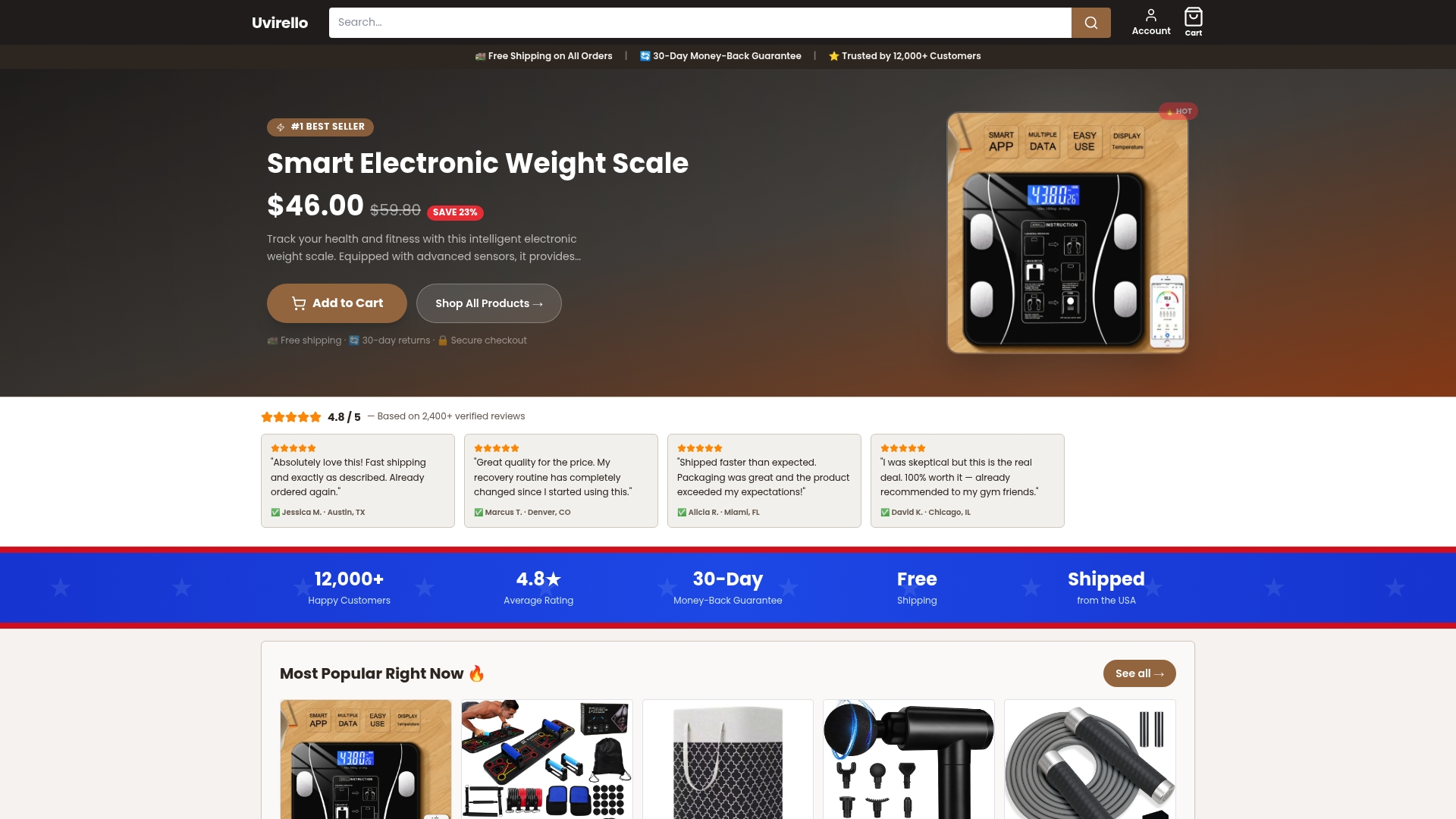
A practical example of home health technology advantages lives closer to home than most people realize. The Uvirello Smart Electronic Weight Scale tracks body composition metrics including body fat percentage and BMI, giving both individuals and health professionals a data-rich picture of physical health over time.
- Measures multiple body composition metrics beyond simple weight
- High-precision sensors deliver consistent, reliable readings
- Clean, minimal design fits naturally into a home environment
- Straightforward setup with no steep learning curve
Pro Tip: Weigh yourself at the same time each day, ideally in the morning before eating, to get the most consistent body composition readings from your scale.
The scale has earned an average rating of 4.8 out of 5 from over 12,000 customers, a signal that real users find it genuinely useful rather than just technically impressive. For fitness-focused individuals tracking progress between professional appointments, this kind of tool closes the gap between clinical visits by keeping data continuous and personal.
This is exactly the human-in-the-loop model in practice at the personal level: the device collects and displays data, but the person or professional interprets it and decides what to do next.
Ready to take control of your health data? Explore Uvirello and see how the Smart Electronic Weight Scale turns daily measurements into decisions you can act on.
Key reasons home health tools strengthen professional care
Home health tools give professionals the capacity to do their jobs better, not just faster. The reduction in administrative burden is the entry point, but the downstream effects on patient engagement, clinical decision-making, and care quality are where the real value accumulates. Technology works best as an augmentation layer: it handles data organization and routine documentation while the clinician handles judgment, relationship, and accountability.
- Administrative automation frees clinician time for direct patient care
- Real-time monitoring enables earlier intervention and better outcomes
- Person-centered digital tools improve patient adherence to care plans
- Operational efficiencies in scheduling and billing reduce organizational costs
- Human oversight remains central; technology supports but never replaces clinical judgment
Key Takeaways
Home health tools most effectively empower professionals by cutting administrative costs, enabling real-time monitoring, and keeping clinicians accountable for every data-informed decision.
| Point | Details |
|---|---|
| Administrative cost reduction | Smart care platforms cut billing and scheduling costs by 38%, freeing clinician time for patient care. |
| Burnout reduction | Burnout rates decrease among clinician users of ambient AI documentation tools. |
| Remote monitoring impact | Continuous real-time data access enables earlier intervention and reduces avoidable hospitalizations. |
| Human-in-the-loop principle | Technology organizes data and drafts notes; the clinician remains accountable for every decision. |
| Personal health tracking | The Uvirello Smart Electronic Weight Scale, rated 4.8/5 by over 12,000 customers, bridges daily data collection with informed health decisions. |