
Modern wellness tracking tools are digital devices and apps designed to monitor your health metrics, fitness activity, and recovery in real time. The industry term for this category is "personal health monitoring," and it spans wearables, smart scales, and AI-powered apps. When you compare modern wellness tracking tools side by side, the differences come down to accuracy, usability, and how well each tool fits your specific goals. Resting heart rate tracking reaches up to 99% accuracy in leading devices, while sleep stage tracking varies by as much as 20% across platforms. That gap matters when you are making real decisions about training and recovery.
1. What key features differentiate modern wellness tracking tools?
Accuracy is the first feature worth examining, but it is not the only one. The best health tracking tools measure multiple metrics consistently over time, not just in a single session.
Key features to evaluate when comparing health apps and devices:
- Metric coverage: Sleep stages, resting heart rate, activity, calorie burn, and body composition each require different sensor types.
- Form factor: Wristbands, rings, screenless trackers, and smartwatches each suit different lifestyles and workout styles.
- Cost model: Some devices charge a one-time fee; others require annual subscriptions that can exceed $199 per year.
- App ecosystem: The companion app determines how useful your data actually is. A weak app wastes good sensor data.
- Adherence design: Tools you wear or use every day deliver better long-term results than technically superior tools you abandon after two weeks.
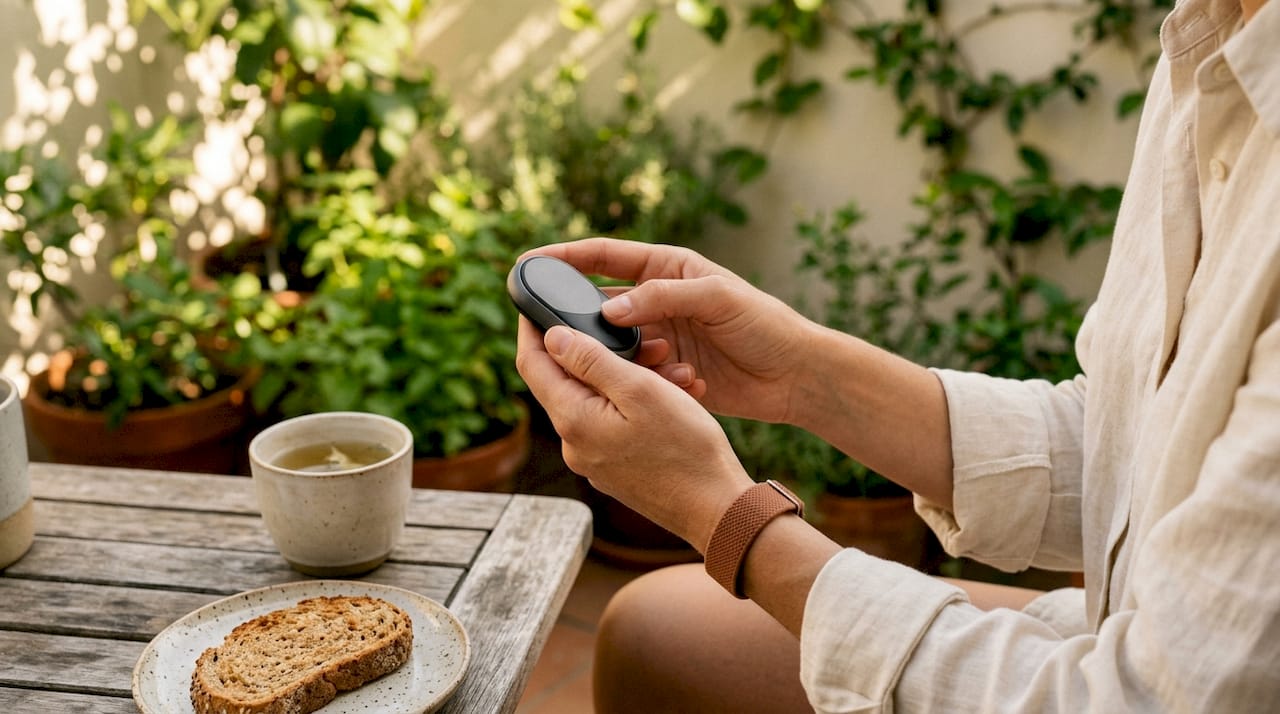
Screenless trackers require a companion app for real-time feedback, which can disrupt workout flow compared to smartwatches with glanceable displays. That trade-off is worth knowing before you buy.
Pro Tip: Before comparing specs, write down your top two health goals. Every feature evaluation should start from those goals, not from a spec sheet.
2. Top categories of wellness trackers and their ideal use cases
Not every tracker suits every person. The right category depends on what you are trying to achieve.
- Premium multi-metric wearables suit serious athletes and biohackers who need detailed strain, recovery, and sleep data. These devices track heart rate variability, respiratory rate, and skin temperature alongside standard activity metrics.
- Sleep and recovery rings work best for people focused on longevity and sleep quality. Finger-based sensors capture resting metrics well, though wrist-worn devices outperform rings during high-intensity interval workouts where heart rate changes rapidly.
- Smartwatches serve as all-rounders. They balance fitness tracking with notifications, GPS, and lifestyle features, making them the most practical choice for people who want one device for everything.
- AI-powered nutrition and habit apps target people focused on weight management and behavior change. AI logging tools log meals up to 15 times faster than manual entry and achieve 3.2 times higher user adherence over 16 weeks.
- Smart body composition scales fill a gap that wrist wearables miss entirely. A scale like the Uvirello Smart Electronic Weight Scale measures body fat percentage and BMI with high-precision sensors, giving you the body composition data that no wristband can provide.
- Budget-friendly entry-level trackers offer one-time costs around $99 with optional coaching subscriptions. They suit people who want basic activity and sleep data without committing to a premium subscription.
3. How accuracy and data consistency influence wellness outcomes
The most common mistake in fitness technology reviews is chasing accuracy over consistency. Experts recommend focusing on data trends rather than exact daily readings, because consistent directional data guides better training and recovery decisions.
"Most consumers hunt for the most accurate device, but what actually improves health outcomes is consistent trend data tracked over weeks and months. A device that is 95% accurate every day beats one that is 99% accurate half the time."
The table below shows how accuracy varies across key metrics in leading device categories:
| Metric | High-end wearables | Mid-range smartwatches | Entry-level trackers |
|---|---|---|---|
| Resting heart rate | 96–99% | 90–95% | 80–88% |
| Sleep stage tracking | 88–92% | 75–82% | 65–75% |
| Calorie burn estimate | ±10–15% | ±15–20% | ±20–30% |
Calorie burn estimates carry the widest margin of error across all categories. That means you should treat calorie data as a directional guide, not a precise number. Tracking trends over time is what produces reliable health insights, not obsessing over a single day's reading.
Sensor placement also affects accuracy. Wrist sensors capture rapid heart rate changes better during intense exercise. Ring sensors excel at resting metrics like overnight heart rate variability and sleep staging.
4. Selecting wellness tracking tools based on personal priorities and lifestyle
The right tool is the one you will actually use every day. A device with ten features you ignore is less useful than one with three features you check every morning.
Practical criteria for selecting your setup:
- Weight and body composition goals: A smart scale measuring body fat percentage and BMI is non-negotiable. Wrist wearables do not measure body composition directly.
- Endurance and athletic training: Wrist-worn devices with GPS and heart rate zones give you the real-time feedback you need during runs and rides.
- Sleep and recovery focus: Ring-style or screenless trackers capture overnight data without the discomfort of a wrist device during sleep.
- Nutrition and habit formation: AI-integrated apps with behavioral psychology elements produce measurably better adherence than manual logging. Programs using these tools show 7–8% body weight loss over 16 weeks with 86% logging adherence.
- Budget: One-time purchase devices eliminate subscription fatigue. If you choose a subscription-based platform, calculate the two-year total cost before committing.
Combining tools often produces better results than relying on one device. A smart scale paired with a fitness app gives you body composition trends alongside activity data. That combination covers the metrics most relevant to long-term health.
Pro Tip: Start with one device that covers your primary goal. Add a second tool only after you have built a consistent habit with the first. Stacking too many trackers at once leads to data overload and abandonment.
The fitness tracking workflow matters as much as the tools themselves. A simple daily check-in routine produces more useful data than an elaborate setup you skip three days a week.
5. Future trends in wellness tracking technology and AI integration
The wellness app market has split into two distinct groups. Clinically validated apps with real behavioral science behind them show measurably better health outcomes. Apps that simply label themselves as "AI-powered" without clinical backing deliver little beyond basic logging.
Emerging trends shaping the next generation of health tracking solutions:
- Personalized AI coaching: AI systems now analyze weeks of your data to generate training and recovery recommendations specific to your physiology, not generic averages.
- IoT integration: Smart home devices, connected gym equipment, and health monitoring platforms are beginning to share data, creating a more complete picture of daily health. IoT-connected health tracking removes the need for manual data entry across multiple platforms.
- Improved sensor technology: Advances in optical sensors and electrode arrays are pushing resting heart rate accuracy higher while extending battery life. Some devices now run for seven or more days on a single charge.
- Regulatory and clinical validation: Health authorities are beginning to distinguish between medical-grade monitoring apps and consumer wellness tools. Clinically validated platforms carry more credibility and are increasingly integrated with healthcare providers.
The gap between marketing claims and real clinical value will widen as regulation increases. Choosing tools with published accuracy data and peer-reviewed validation protects you from paying for features that do not deliver.
Key takeaways
The most effective wellness tracking setup combines consistent daily use with tools matched to your specific health goals, not the most expensive or feature-heavy devices available.
| Point | Details |
|---|---|
| Accuracy varies by metric | Resting heart rate reaches 96–99% accuracy; sleep staging varies by up to 20% across devices. |
| Trends beat single readings | Consistent data over weeks guides better training and recovery than any single-day measurement. |
| Form factor affects results | Wrist devices outperform rings during intense exercise; rings excel at overnight resting metrics. |
| AI logging improves adherence | AI-powered food logging achieves 3.2 times higher adherence than manual entry over 16 weeks. |
| Match tools to goals | Body composition tracking requires a smart scale; wearables alone cannot measure body fat or BMI. |
What I have learned from years of comparing wellness trackers
The wellness tracking market rewards patience more than it rewards spending. I have watched people buy the most expensive multi-metric wearable on the market, wear it for three weeks, and abandon it because the app felt overwhelming. The device was not the problem. The mismatch between the tool's complexity and the person's daily routine was.
The insight that changed how I evaluate these tools is simple: adherence is the metric that matters most. A tracker you wear every day for a year produces more useful health data than a premium device you use inconsistently. That is not a knock on premium tools. It is a reminder that the best wellness tracker is the one that fits your life, not the one with the longest spec sheet.
I have also noticed that most people underestimate body composition data. Wrist wearables tell you how active you were and how well you slept. They do not tell you whether your body fat percentage is trending in the right direction. Adding a quality smart scale to your setup fills that gap in a way no wristband ever will.
The market is maturing fast. Clinically validated tools are separating from the noise, and AI coaching is becoming genuinely useful rather than just a marketing label. My advice: pick one tool that covers your primary goal, build a daily habit around it, and add complementary tools only when you have a clear reason to do so.
— Jacob
Uvirello and the body composition gap in your tracking setup
Most fitness tracking setups have one blind spot: body composition. Wearables track steps, sleep, and heart rate, but none of them measure body fat percentage or BMI directly.
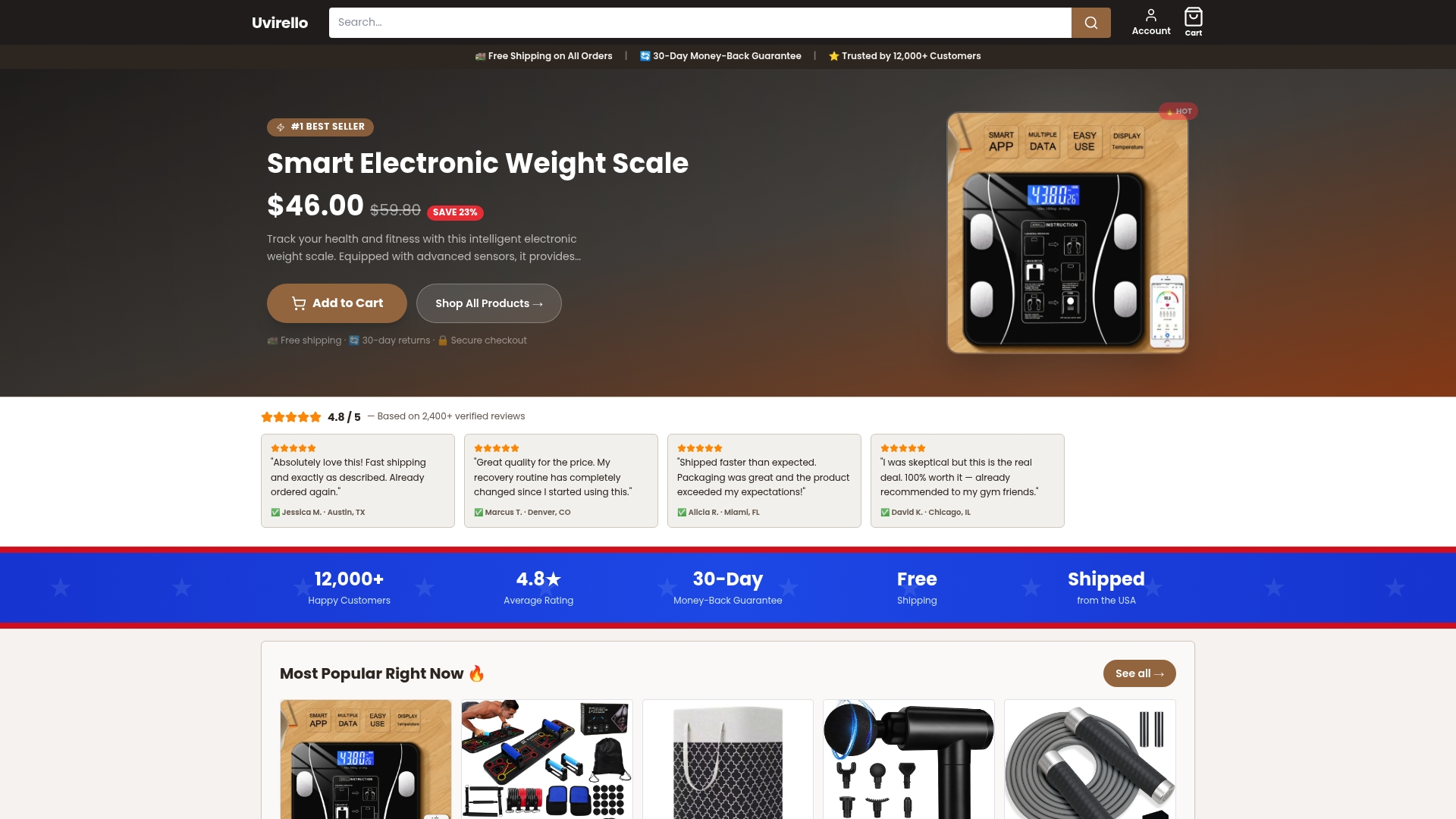
The Uvirello Smart Electronic Weight Scale fills that gap with high-precision sensors that deliver body fat percentage, BMI, and weight in a single weigh-in. Over 12,000 customers rate it 4.8 out of 5, and the feedback consistently points to one thing: seeing body composition trends over time changes how people approach their fitness routines. Pair it with your existing wearable or app, and you get a complete picture of your health progress. Visit uvirello.com to see the full feature set and find the right plan for your goals.
FAQ
What is the most accurate metric in modern wellness trackers?
Resting heart rate is the most accurately tracked metric, reaching 96–99% accuracy in leading devices. Sleep stage tracking and calorie burn estimates carry significantly wider margins of error.
Should I prioritize accuracy or data consistency in a wellness tracker?
Data consistency matters more than single-session accuracy. Experts recommend tracking health trends over weeks rather than focusing on exact daily readings, as consistent directional data produces better training and recovery decisions.
Can a wearable replace a smart scale for body composition tracking?
No. Wrist-worn wearables and rings do not measure body fat percentage or BMI. A dedicated smart scale is the only consumer device that tracks body composition directly.
How do AI-powered wellness apps compare to manual tracking?
AI-powered logging tools achieve 86% adherence compared to 27% for manual logging, and they log meals up to 15 times faster. Programs using AI-integrated apps show 7–8% body weight loss over 16 weeks.
What is the best wellness tracker for someone focused on sleep?
Ring-style and screenless trackers perform best for sleep and recovery monitoring. They capture overnight resting metrics like heart rate variability and sleep stages without the discomfort of a wrist device during sleep.